How Industrial Photography Actually Works in Real Environments
Industrial Photography Knowledge Hub for Planning and Executing Factory Shoots Inside Live Industrial Environments
This section is part of a set of industrial photography resources designed to explain how this work actually happens inside real manufacturing, production, and technical environments.
Most discussions around photography focus on style, equipment, or aesthetics. Photography in factories and industrial setups operates differently. It takes place inside systems built to run continuously, safely, and efficiently — not to accommodate cameras.
Access is negotiated. Safety is non-negotiable. And mistakes carry consequences that go beyond the images themselves.
Photography in factories and industrial environments does not assume control over the space. It begins by adapting to operational reality — and, in larger or long-term projects, may be deliberately coordinated into it.
In many facilities, production cannot pause for photography at all. In others, especially on carefully planned assignments, processes may be slowed, sequenced, or temporarily stopped to allow safe access and controlled lighting.
What does not change is the hierarchy: safety and operations always come first. Any adjustment to workflow is negotiated, scheduled, and approved — never imposed.
Industrial photography succeeds when it integrates into existing systems with respect and planning, rather than attempting to override them for convenience or effect.
The questions collected here reflect what companies, agencies, and decision-makers usually need to understand before commissioning an industrial photographer — but rarely find clearly explained. Together, they form a set of practical industrial photography resources built to support real-world decision-making.
These pages are based on direct experience working inside live factories, production facilities, and regulated industrial sites where photography must operate without disrupting workflow, safety, or output.
This is not a blog. It is not a portfolio. It does not discuss trends, opinions, or personal style.
There is no promotional content here.
Each page addresses a specific, practical question: permissions, safety, process, licensing, access, and the realities of working in environments where production takes priority over documentation. The goal is clarity — not persuasion.
All answers are written from direct, on-site experience. They are designed to be read Independently, as standalone explanations or collectively, as part of a larger understanding of industrial photography practice.
No assumptions. No shortcuts.
For Companies, Agencies, and Decision-Makers
If you are responsible for commissioning, approving, or managing industrial photographers, these pages are intended to help you understand what is involved, what can realistically be expected, and why this kind of photography is often treated differently from other forms of corporate imaging. They are part of a broader set of industrial photography resources designed to support better planning and decision-making.
For Photographers
If you are a photographer, these pages may help clarify where photographing Industrial sites diverges from more general commercial or corporate work — and why experience in controlled, operational environments matters.
Below are practical questions about photography in industrial settings — each with a dedicated answer. These reflect real issues businesses confront when commissioning or managing photography in live industrial environments.
What Access and Safety Really Mean in Industrial Photography
-
Manufacturing Industry Photography: Building Credibility Through Factory Images
In manufacturing, credibility isn’t a marketing message. It’s something that exists in real places — in steel, heat, precision, and the people who keep systems running. Read more...
-
Why is industrial photography treated differently from other corporate photography?
Walk into a working factory and the first thing you notice isn’t what you see — it’s what you feel. The heat hits you. The air smells of oil, metal, chemicals, or dust. Read more...
Permissions and Safety Protocols for Photographing Factories
-
What Permissions Are Required for Factory Photography in India?
Permission usually begins at the corporate or senior management level. This establishes intent: why factory photography is being commissioned, how the images will be used, and which facilities are involved. Read more...
-
Why Onboarding and Compliance Shape Industrial Photography
Before any industrial photography project begins, there is an administrative layer that determines whether access is even possible. This layer is not creative, visual, or technical. It is procedural, legal, and often invisible to the teams commissioning the work.
Industry Practice & Licensing
-
Factory photoshoot cost in india: What determines pricing
Understand factory photoshoot cost in India and what determines pricing, including scope, access, production, and image usage.
-
How are industrial images licensed for corporate use in India?
In India, most companies still assume that paying a photographer means they own the photographs. In professional industrial photography, that assumption is usually where misunderstandings begin.
Hiring, Scope, and Engagement Reality
-
How Should Companies Hire and Brief an Industrial Photographer, and Define Scope?
This page explains how companies should hire and brief an industrial photographer — and how scope should be defined so the work actually succeeds. Read more...
-
The Expectation Gap in Industrial Photography in India
Industrial photography projects often fail before they begin due to an expectation gap between clients and photographers. Here’s why it happens and how to close it.
Quick links
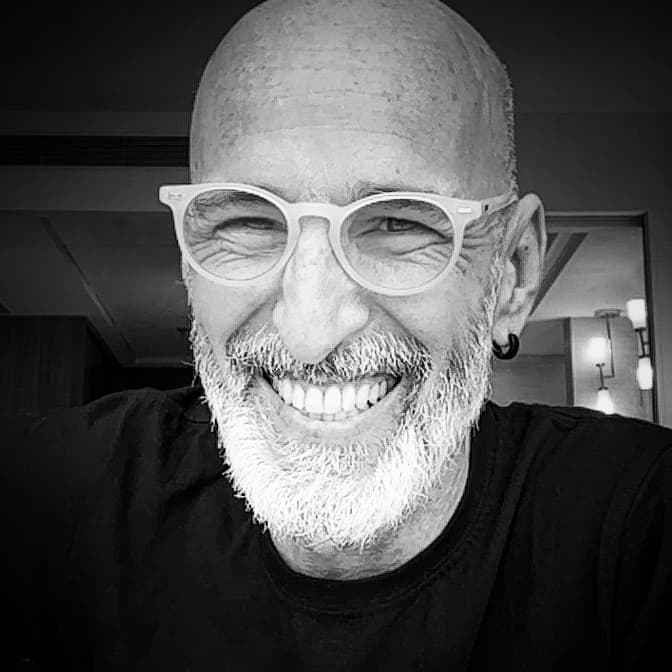
Written by Sephi Bergerson, industrial photographer specialising in manufacturing and industrial environments.
Answers in this hub are written from direct experience shooting inside live industrial, manufacturing and technical environments.
Have more questions?
Have a question about industrial or corporate photography? Ask it here.