
From Controlled Vaccine Production in Gujarat to Daily Life in Odisha
This project moves between two very different worlds.
On one side, controlled vaccine production inside a pharmaceutical facility in Gujarat. On the other, small village households in Odisha where those same vaccines are used in daily life. The work connects these environments into a single visual narrative, showing how industrial processes translate into real-world impact.
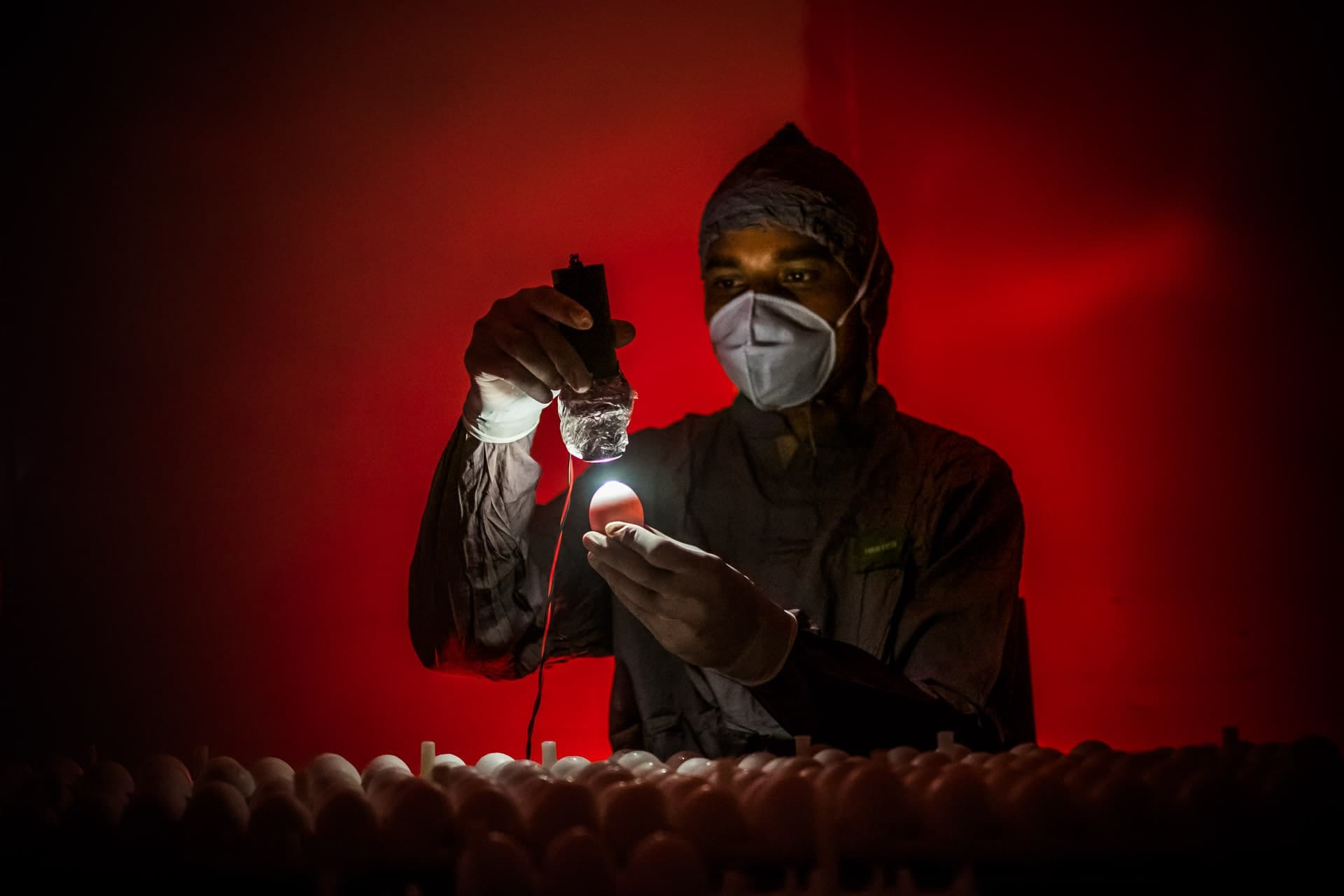
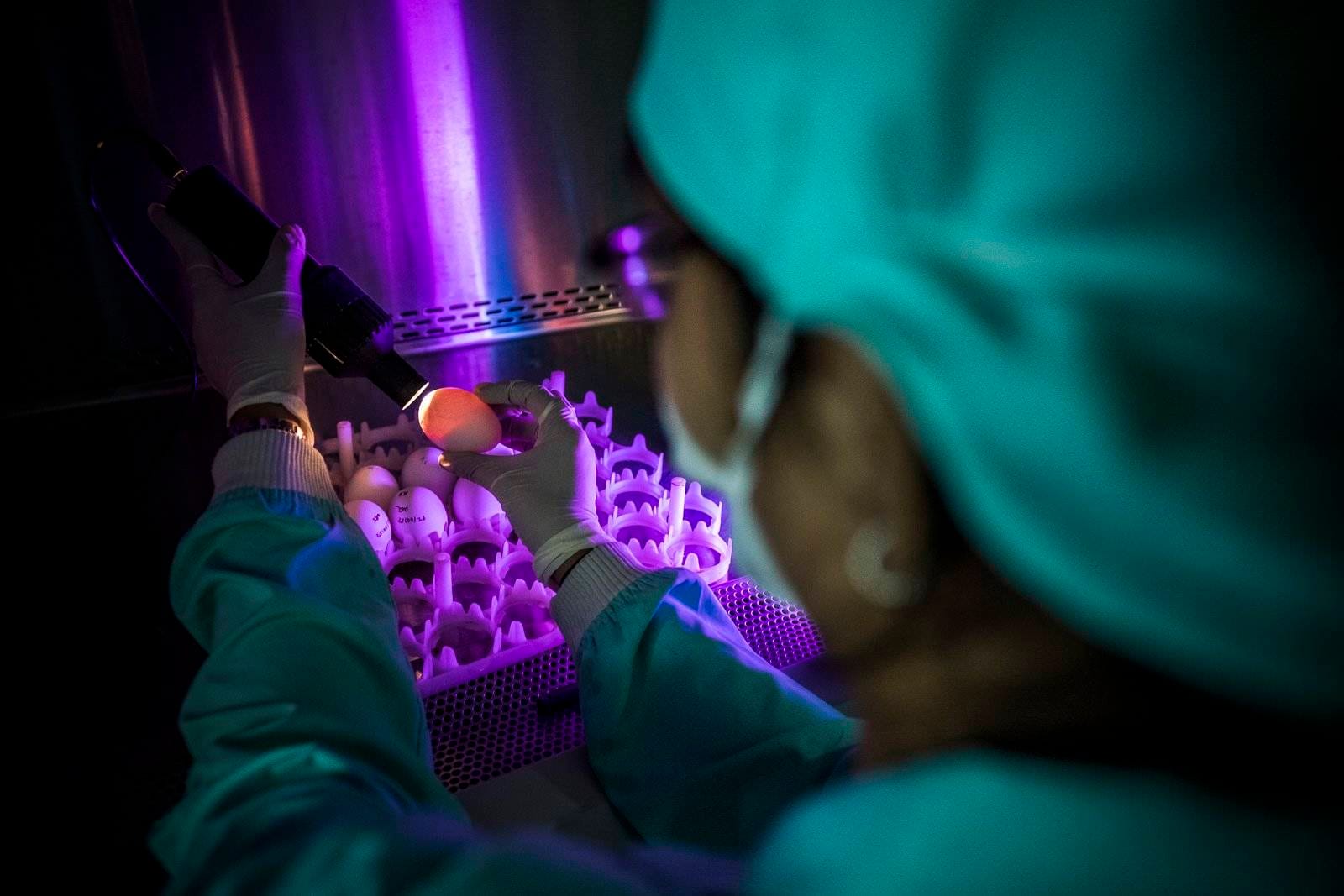
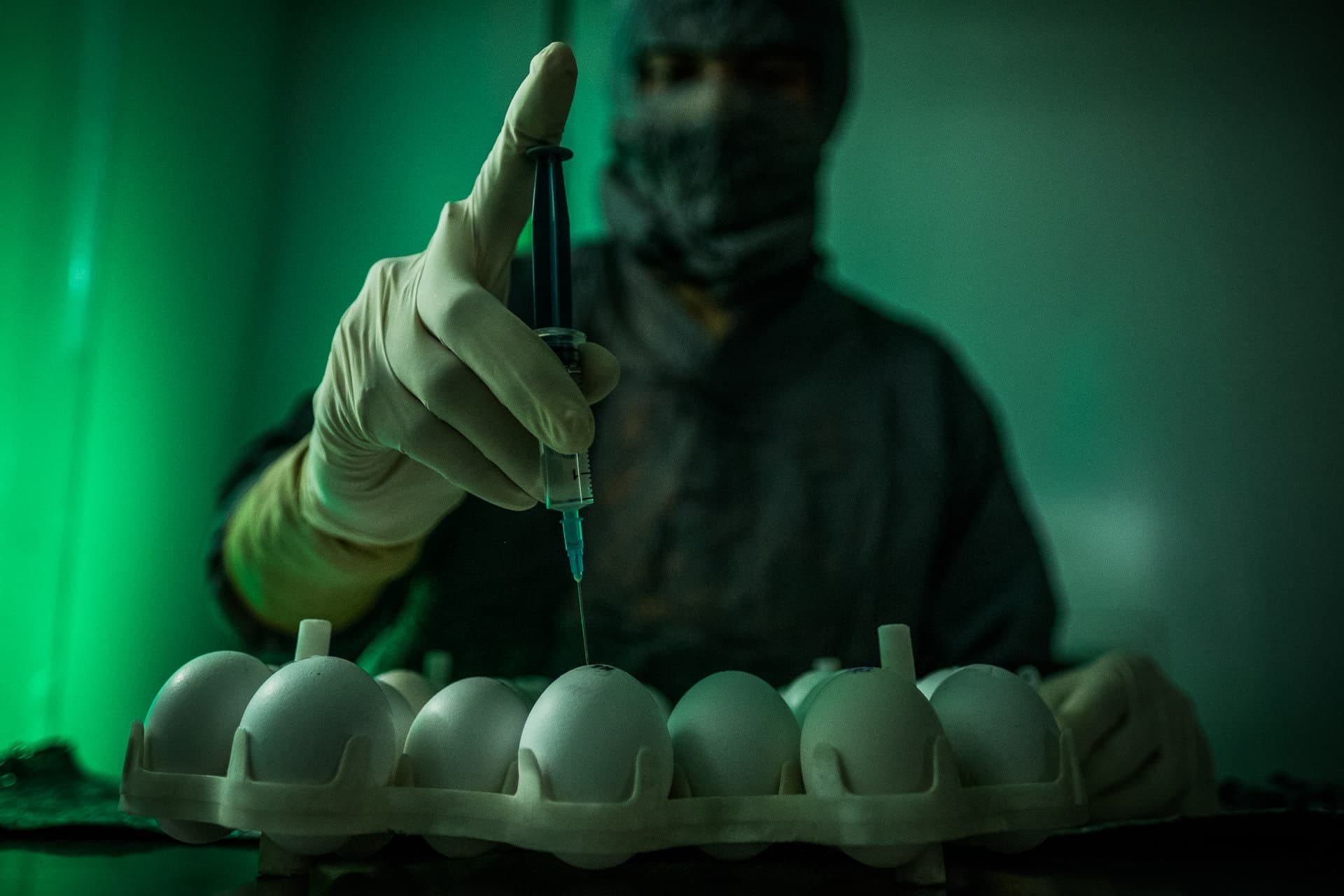
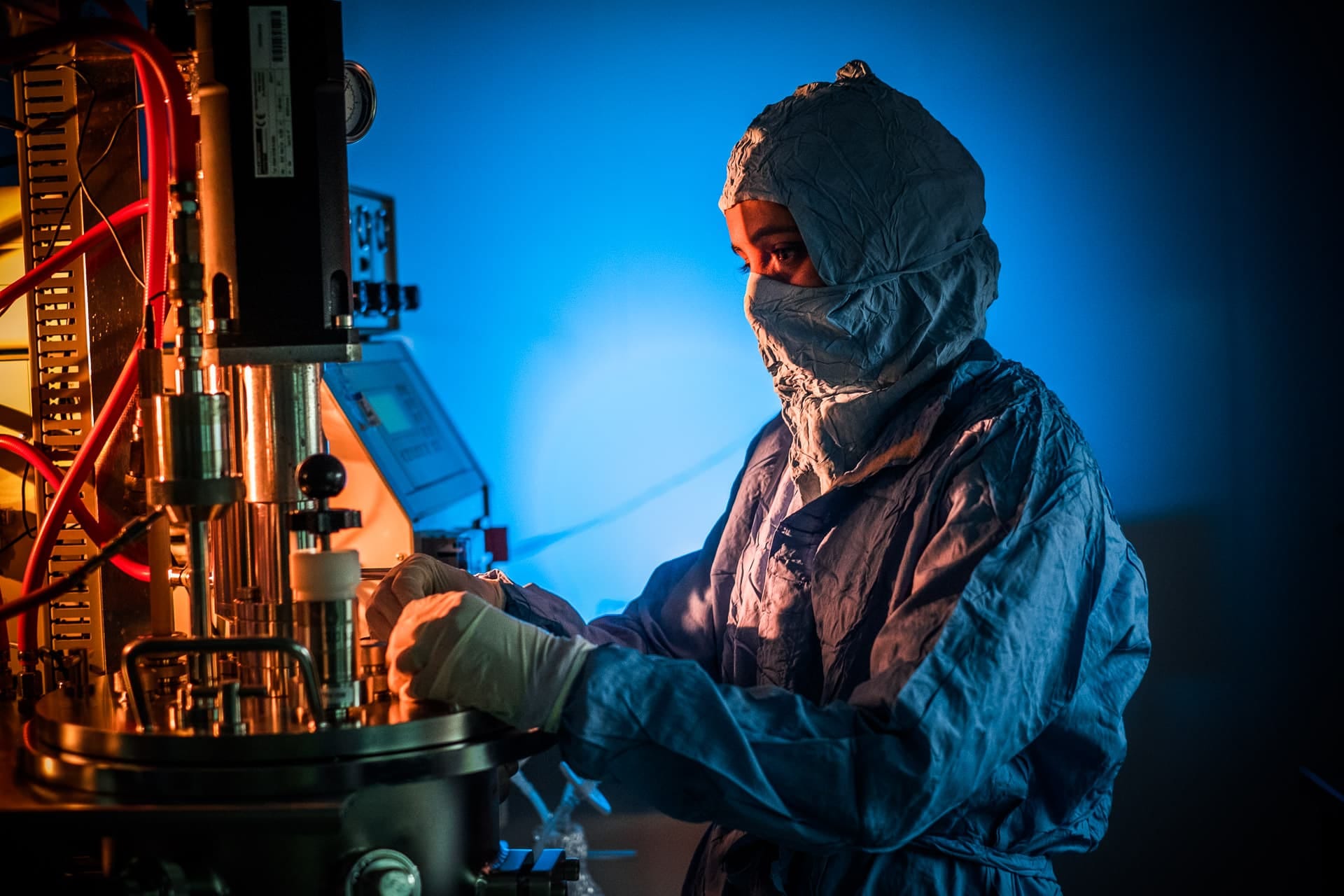
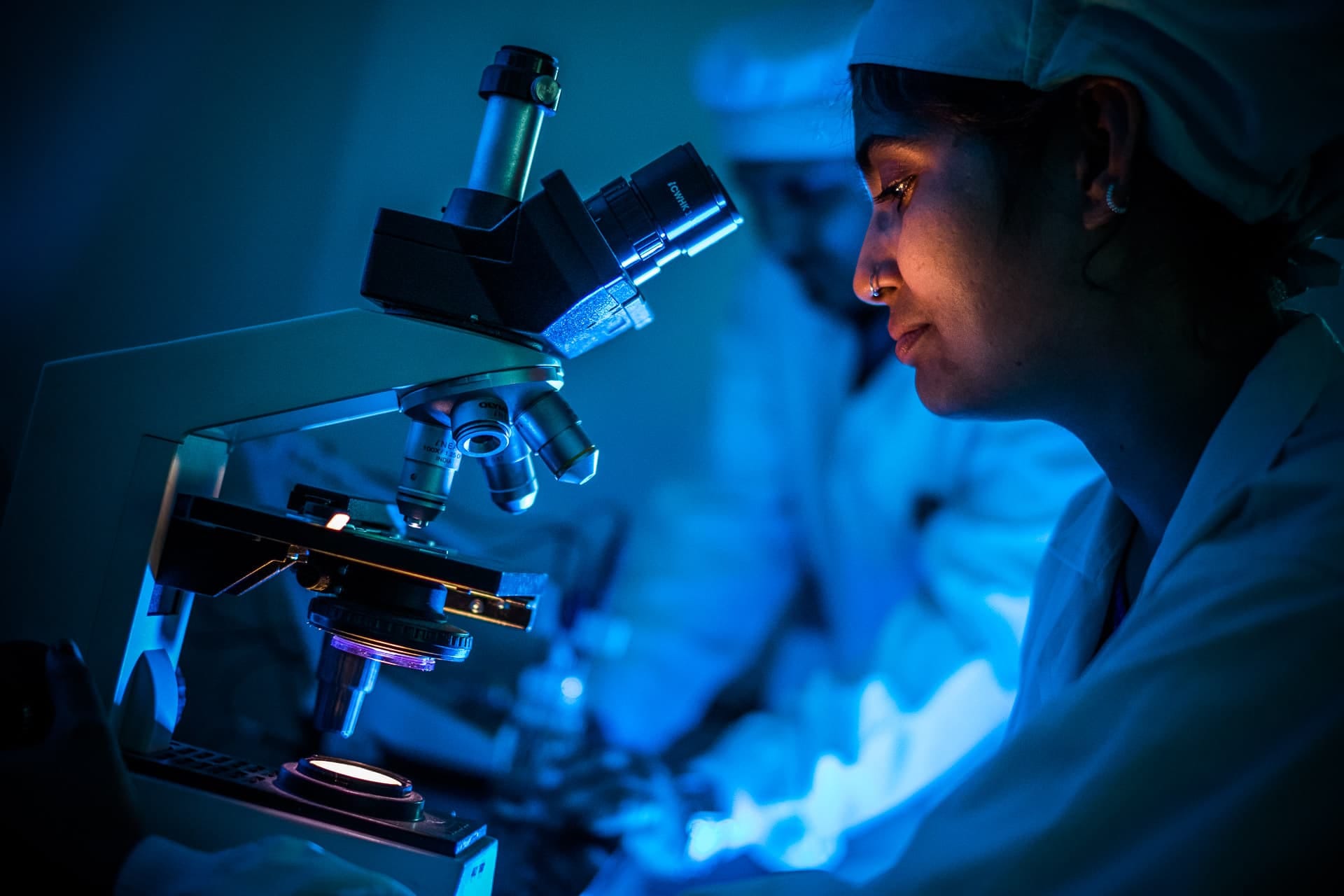
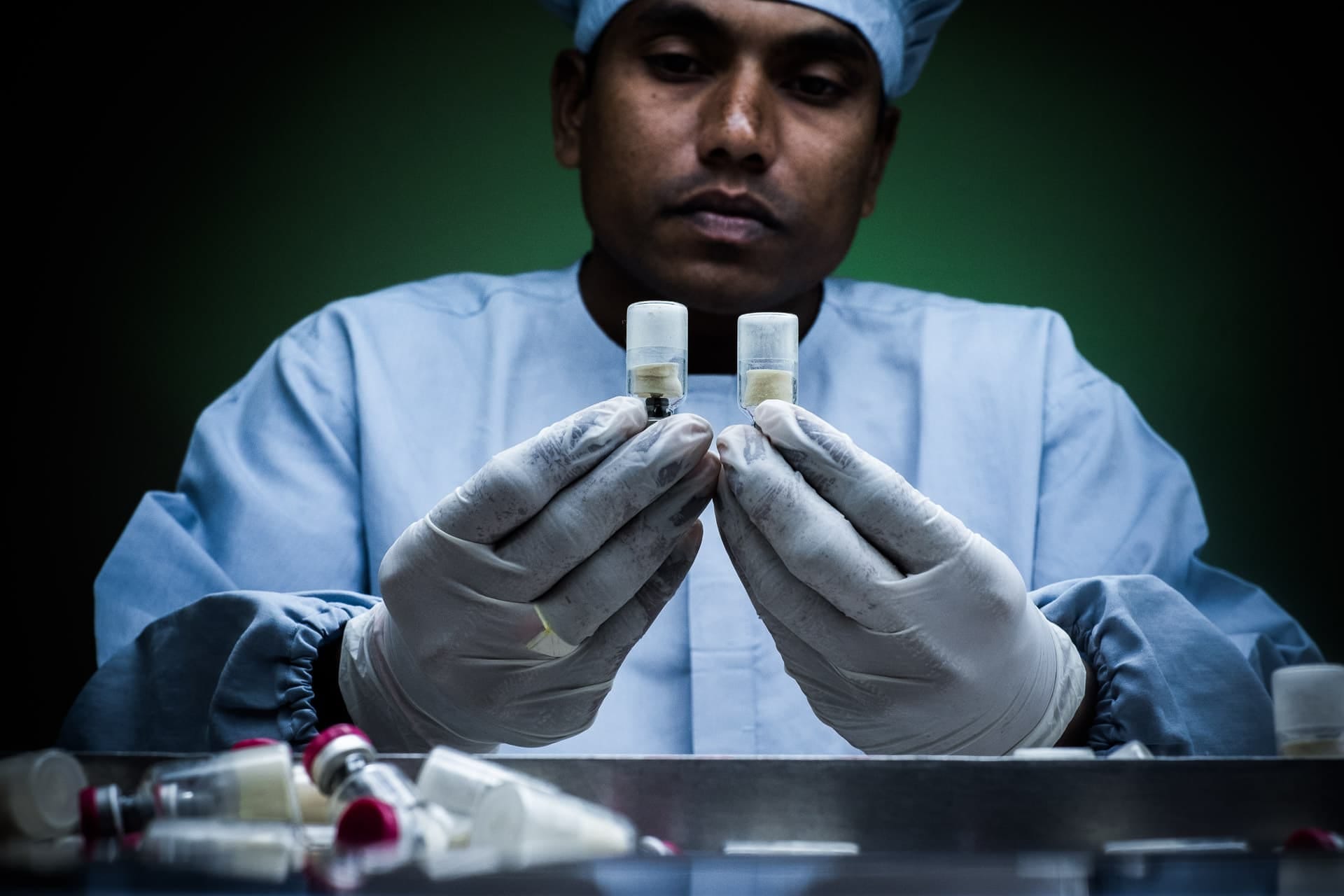
The industrial photography in Gujarat focuses on precision, containment, and repeatability. Inside Hester Biosciences, every stage of vaccine production is governed by strict protocols — from egg candling and inoculation to testing and final inspection. The images document not just the processes, but the human decisions and interventions that shape them.
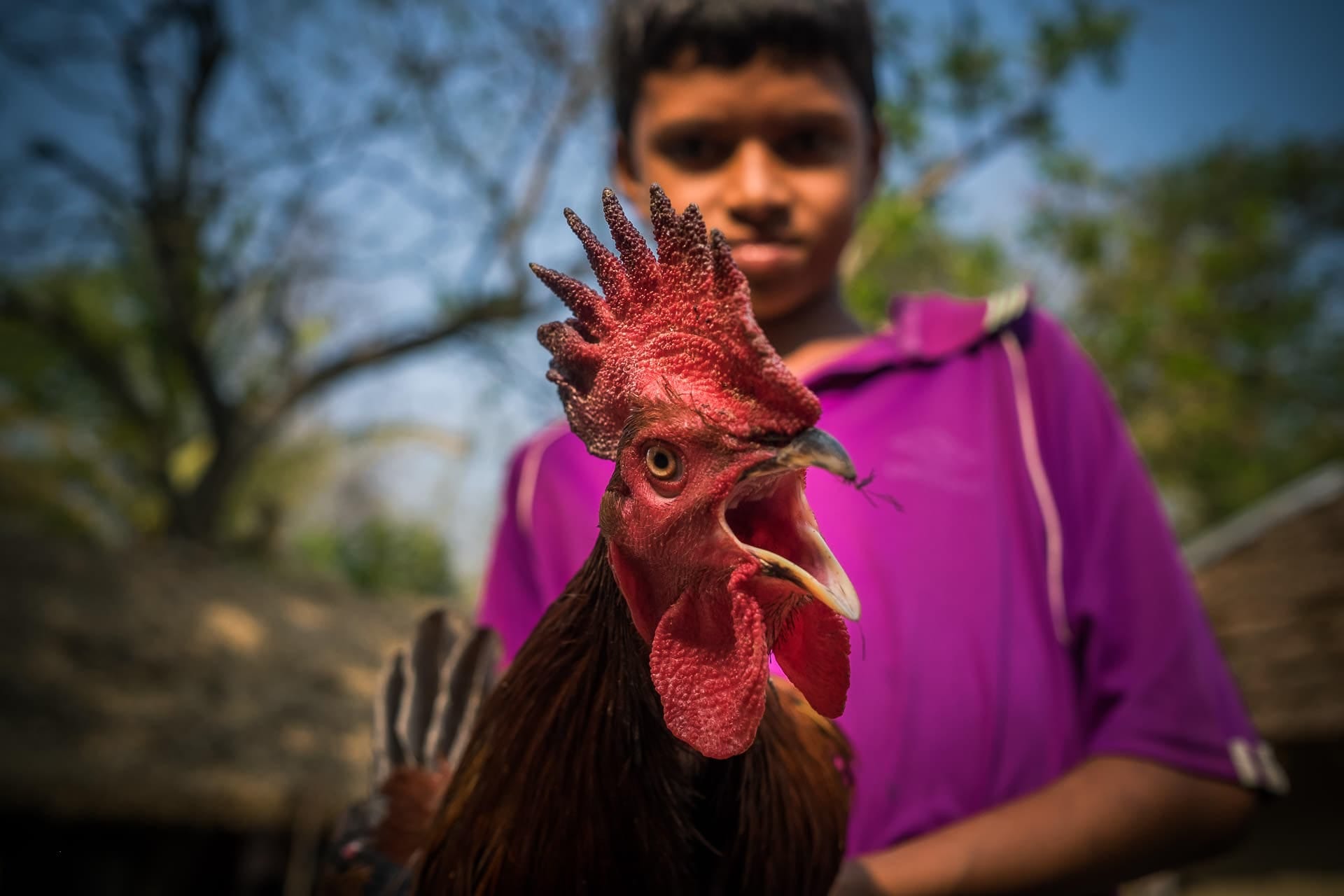
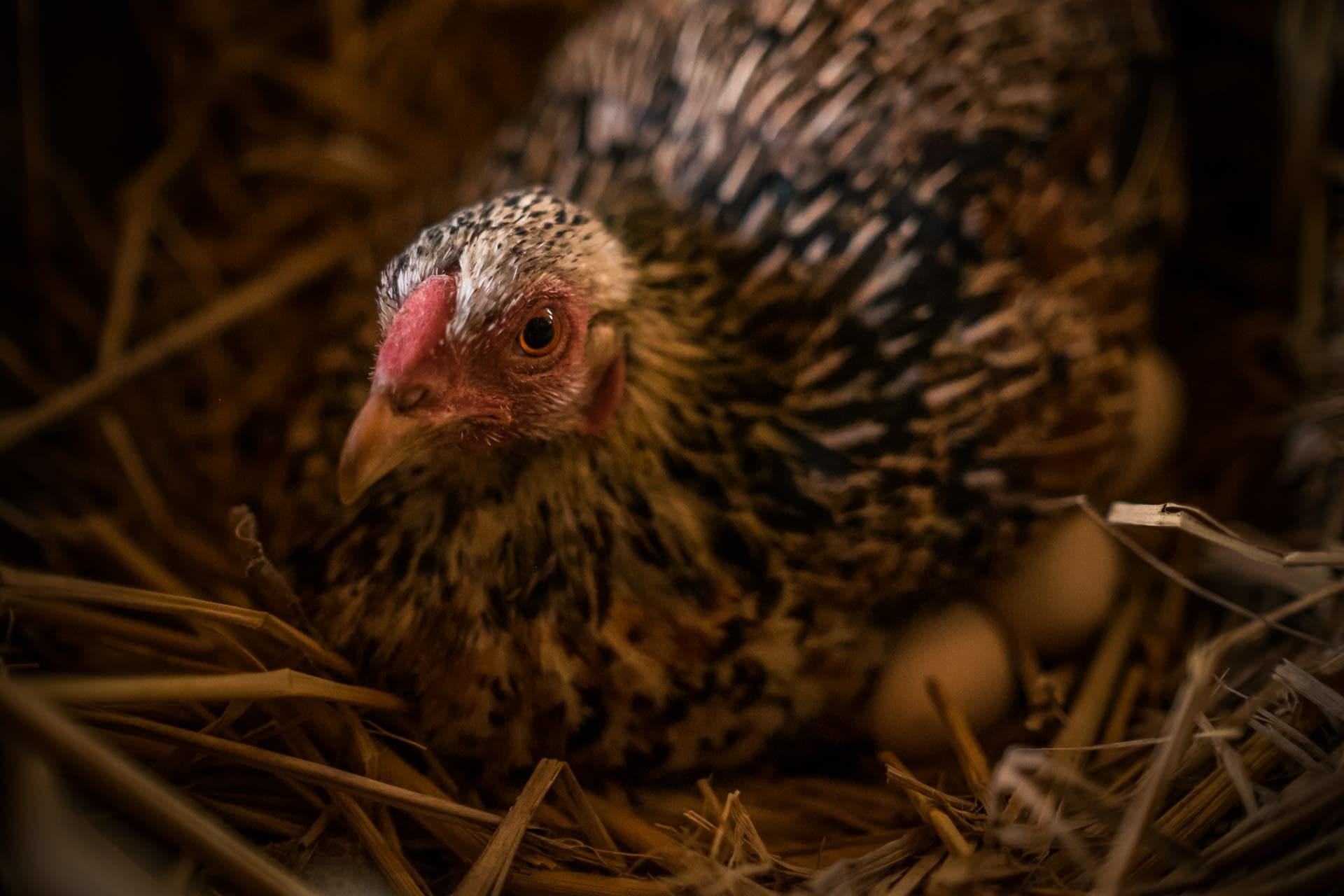
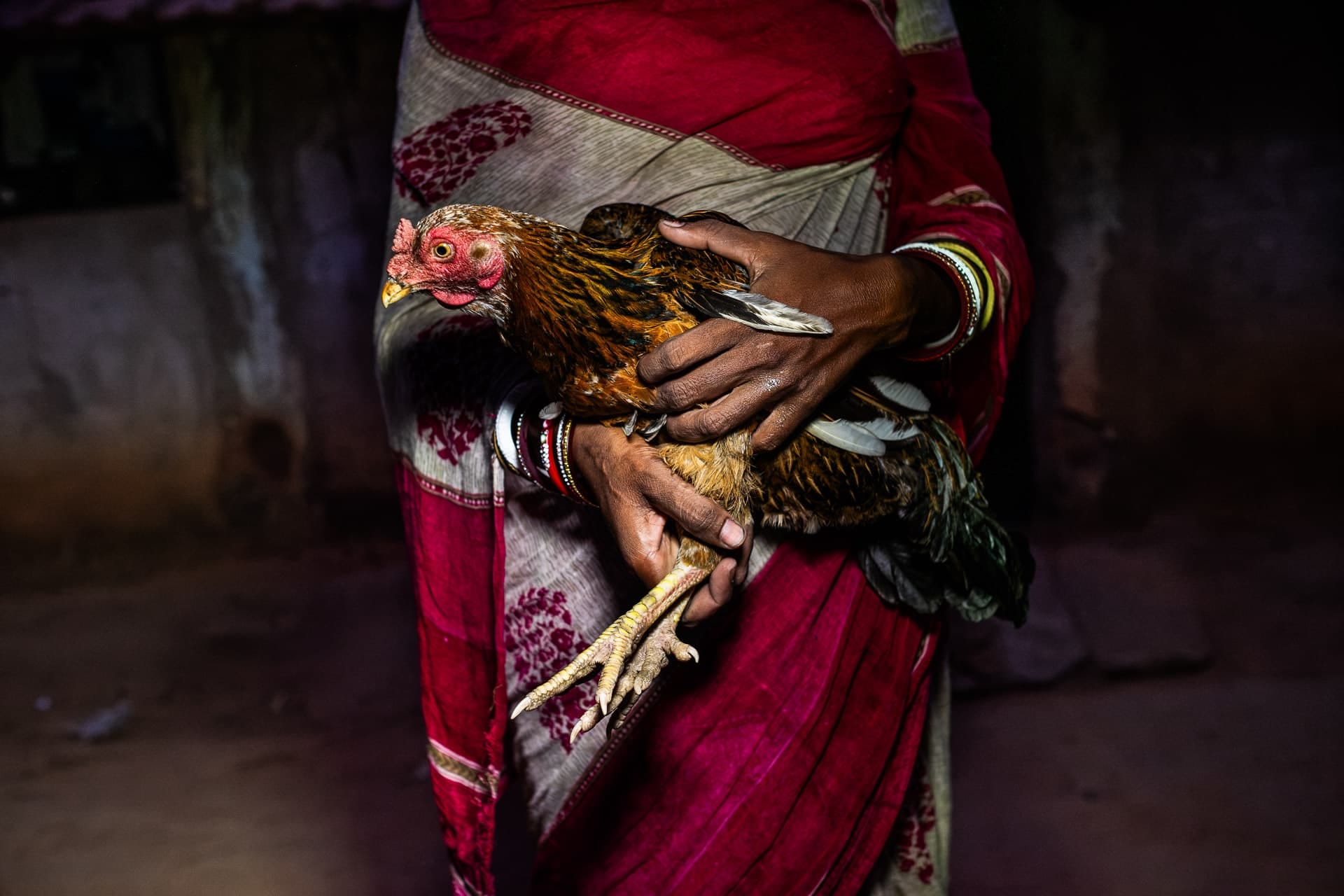
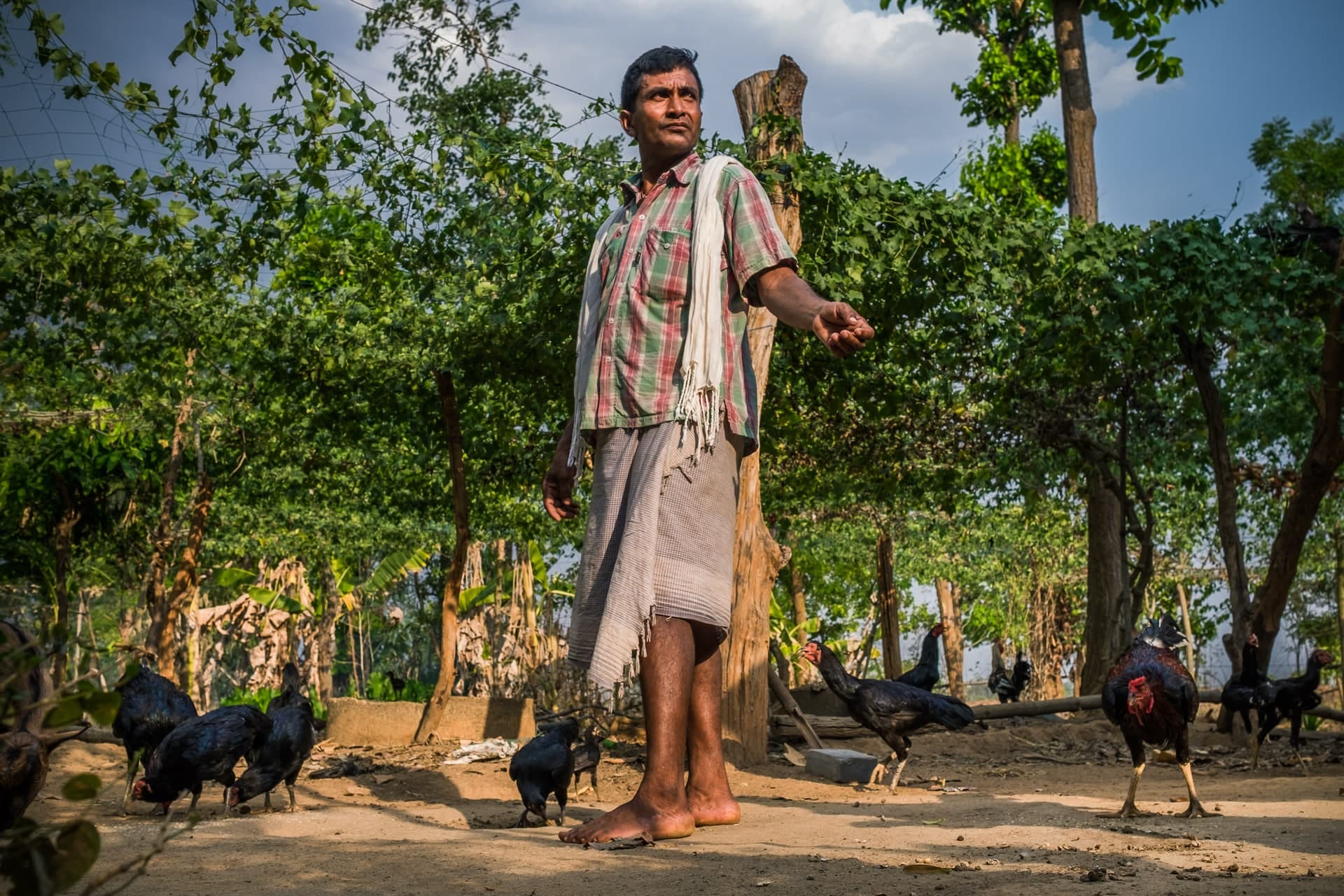
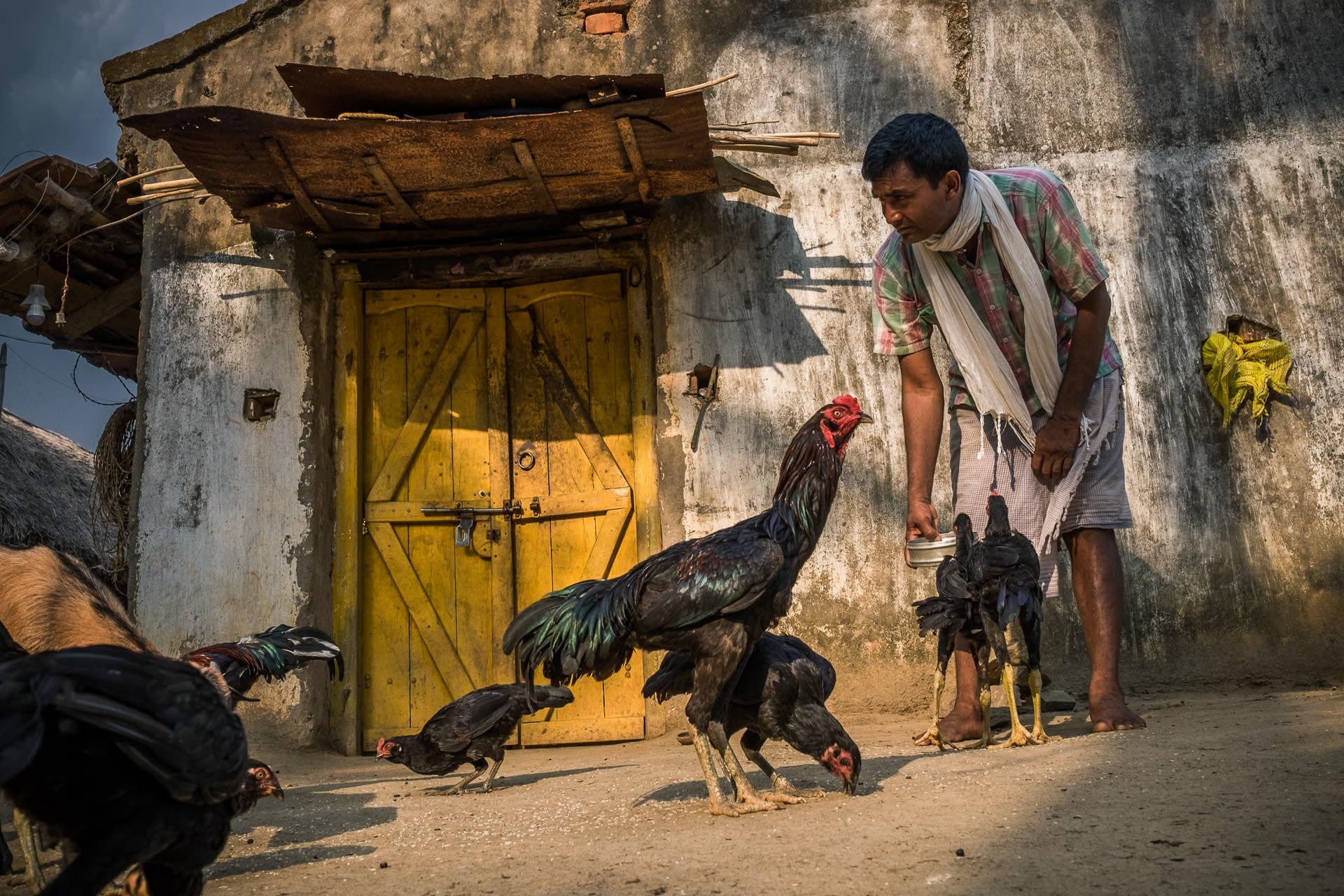
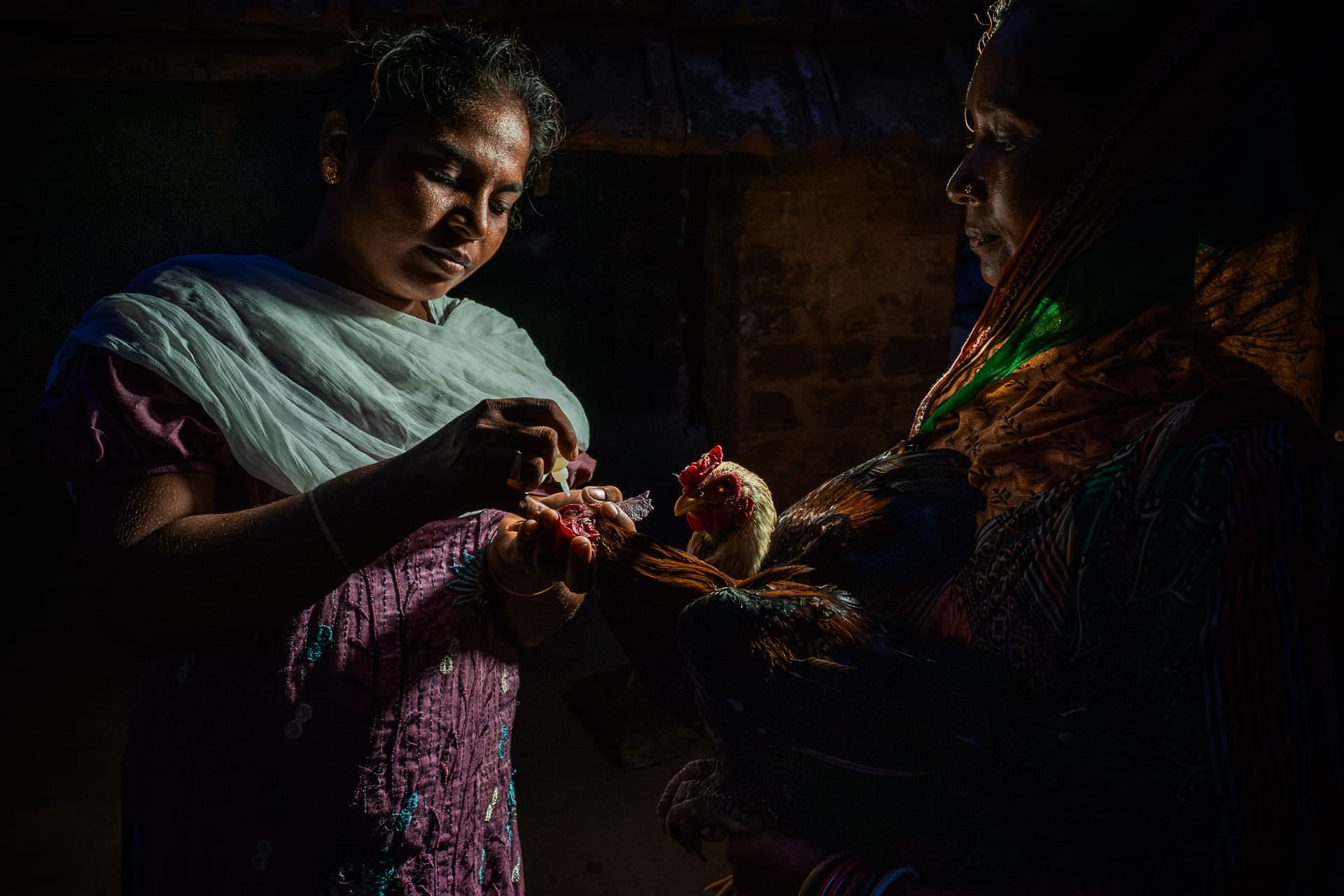
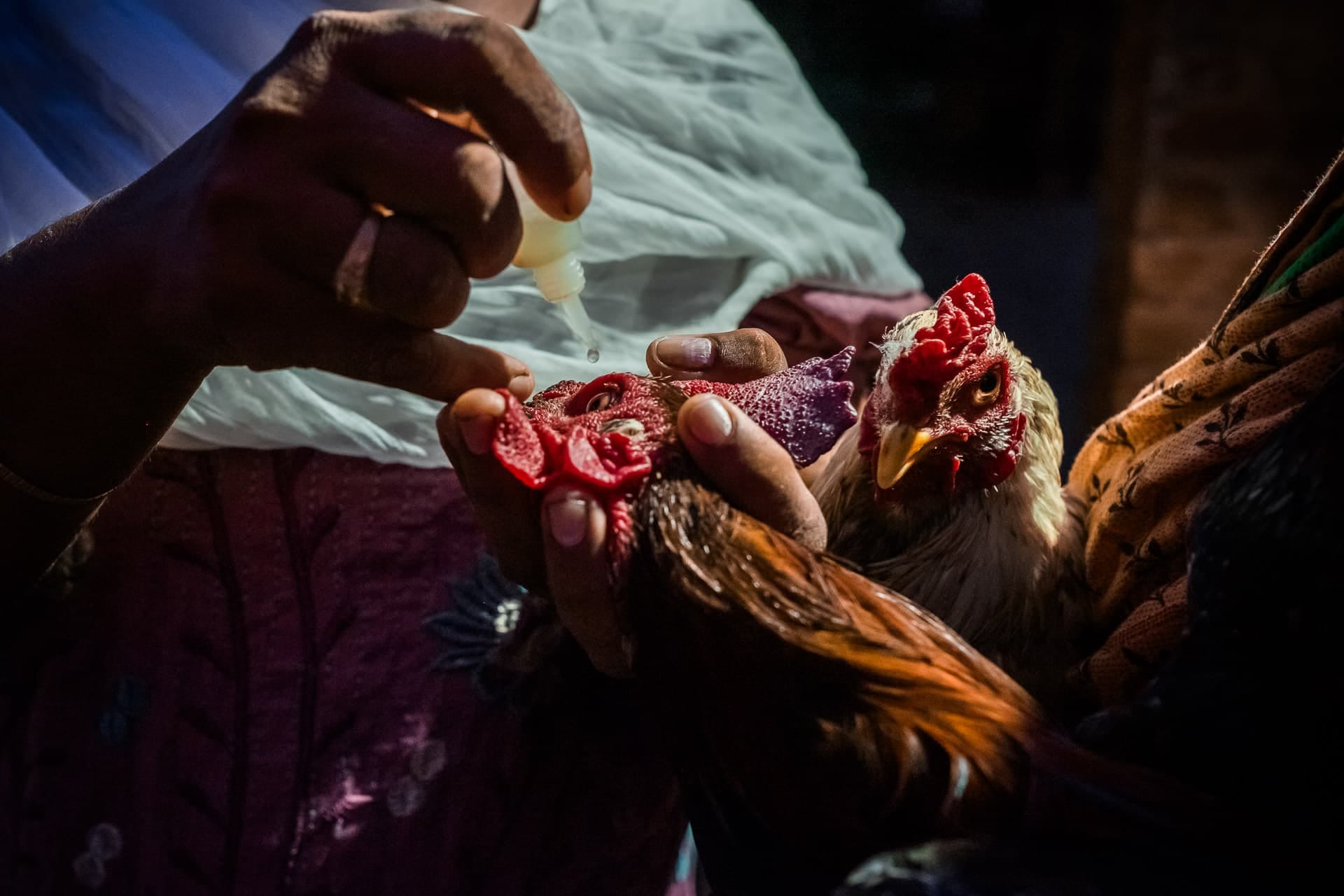
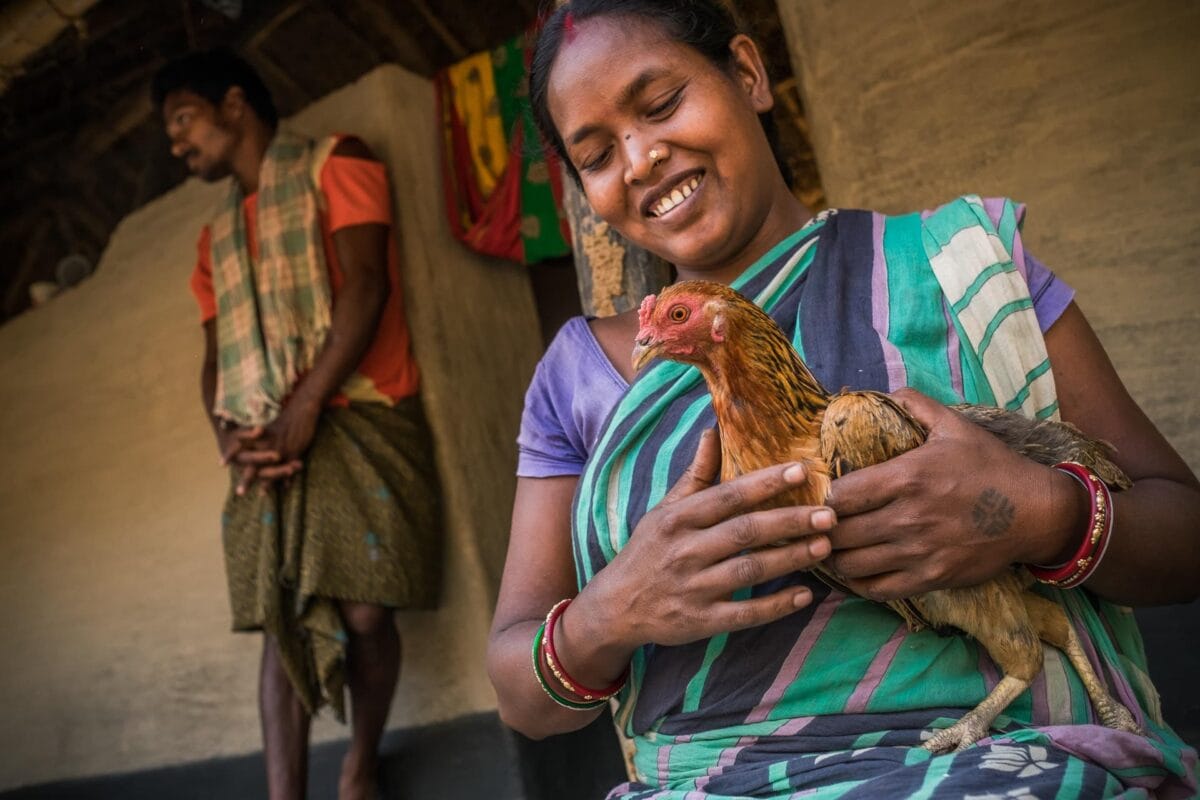
At the same time, the project extends beyond industrial photography in Gujarat into rural Odisha, where vaccination happens at household level. Here, the conditions are informal, immediate, and shaped by daily life rather than controlled systems. Chickens move through living spaces, and vaccination becomes part of routine rather than procedure.
By linking industrial photography in Gujarat with documentary work in Odisha, the project reveals the full trajectory of the vaccine — from engineered precision to lived reality. The contrast is not just visual, but structural: control and unpredictability, system and survival, scale and intimacy.
This approach positions industrial photography in Gujarat as part of a broader narrative, where production is not isolated, but directly connected to its use and impact across different environments.
This project is built on a deliberate contrast.
On one side, highly controlled vaccine production inside a pharmaceutical facility in Gujarat. On the other, small village households in Odisha where those same vaccines are used in daily life.
Rather than treating these as separate assignments, the work connects them into a single visual narrative — showing how industrial processes translate into real-world impact.
Commissioned to follow the journey of poultry vaccines across India, the project moves between precision-driven laboratory environments and informal domestic spaces, maintaining continuity between two radically different realities.
Industrial Photography in Gujarat: Control, Precision, Repeatability
Inside Hester Biosciences, every stage is defined by control.
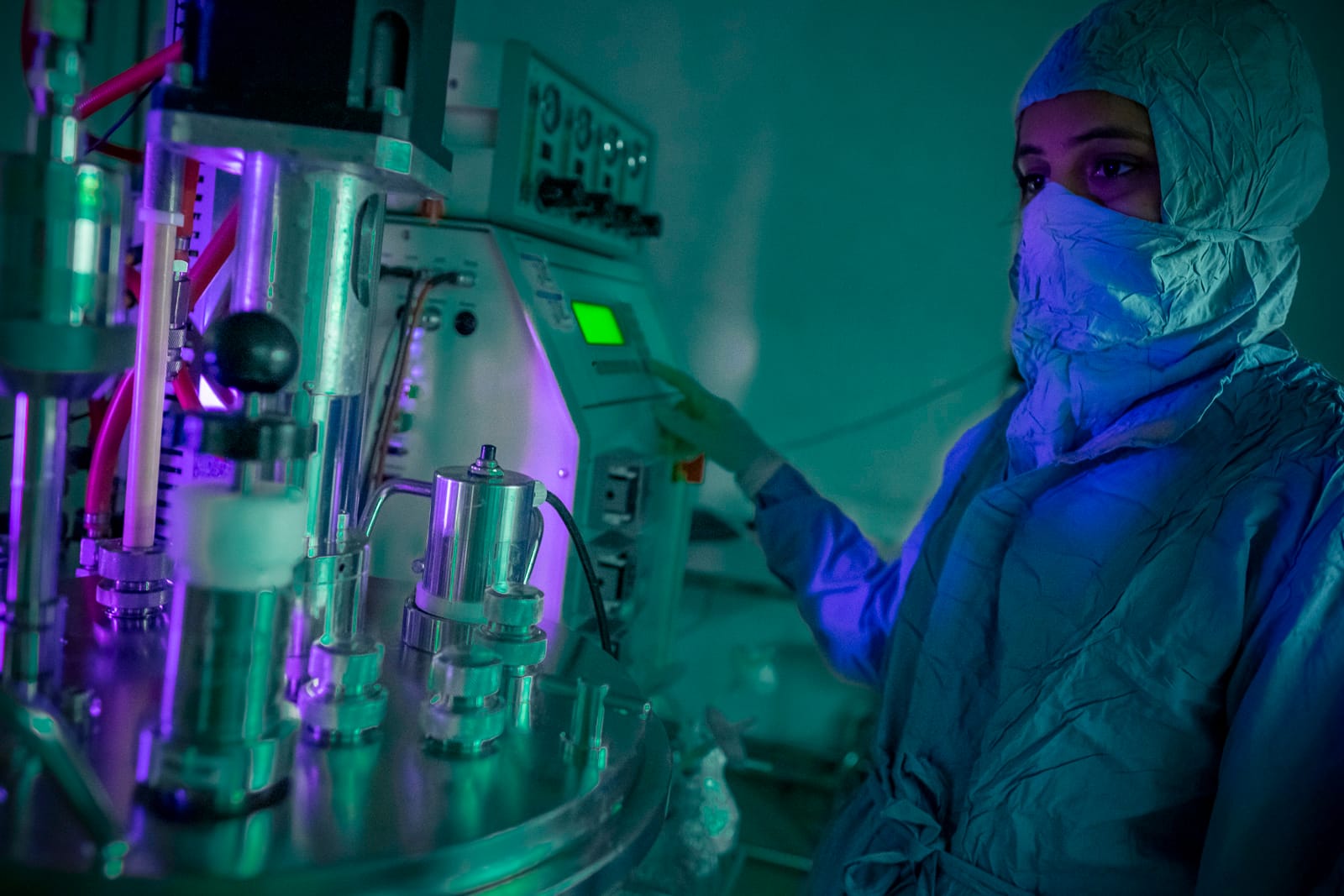
The images document vaccine production through processes such as egg candling, inoculation, fermentation, testing, and final inspection. Each step operates within strict protocols where precision and repeatability are non-negotiable.
Rather than presenting the facility as a sterile or abstract space, the focus remains on human interaction within these systems — hands, decisions, and interventions that shape the outcome.
Visually, the environment is structured and contained. Light is used to introduce clarity and separation within complex processes, without disrupting the integrity of the space.
This is where the story begins: upstream, controlled, engineered.
Documentary Photography in Odisha: Proximity, Trust, Reality
The second part of the work shifts completely.
In Odisha, vaccination happens at household level. Chickens move freely through homes, and the act of vaccination is integrated into daily routines rather than formal systems.
The images document trained local vaccinators working within these environments — often in close proximity, with minimal separation between living space and livestock.
Here, the same vaccine exists in a different reality. No containment, no controlled lighting, no industrial structure. Only people, trust, and immediate livelihood.
Connecting Two Worlds Through a Single Visual Language
The strength of the project lies in the connection between these environments.
Laboratory images and village images are not presented in isolation but interwoven to maintain continuity. The viewer moves between control and unpredictability, scale and intimacy, system and survival.
This is where industrial and documentary photography in India intersect — not as separate disciplines, but as two parts of the same story.
The work makes the flow visible: from production to use, from engineered precision to lived reality.
Scope and Use
This body of work was created to function across multiple contexts — reports, funding presentations, policy communication, and public-facing material.
It allows different stakeholders to engage with the same images while extracting different layers of meaning, without losing coherence.
More importantly, it demonstrates that documenting a system is not about showing each part in isolation, but about revealing the relationship between them.
Industrial Photographer in India Portfolio
For more work across manufacturing environments, production facilities, and industrial operations, explore my portfolio as an industrial photographer in India, showcasing projects built around scale, consistency, and real-world conditions.
