A photographic case study documenting how poultry vaccines are developed, produced, and delivered—bridging high-control laboratory environments and small-scale village realities.
This project documents the full lifecycle of poultry vaccines in India—from laboratory research and production to field-level vaccination and everyday use.
Commissioned to visually follow how animal health interventions move through complex systems, the work connects two radically different environments: high-control laboratory spaces in Gujarat and domestic village settings in Odisha. The photographs are sequenced to maintain continuity between these contexts, showing how scientific processes translate into real-world impact.
The work was carried out in collaboration with GalvMed, an organization focused on improving livestock health for small-scale producers, and Hester Biosciences, one of India’s leading animal healthcare manufacturers.
Vaccine Production at Hester Biosciences, Gujarat
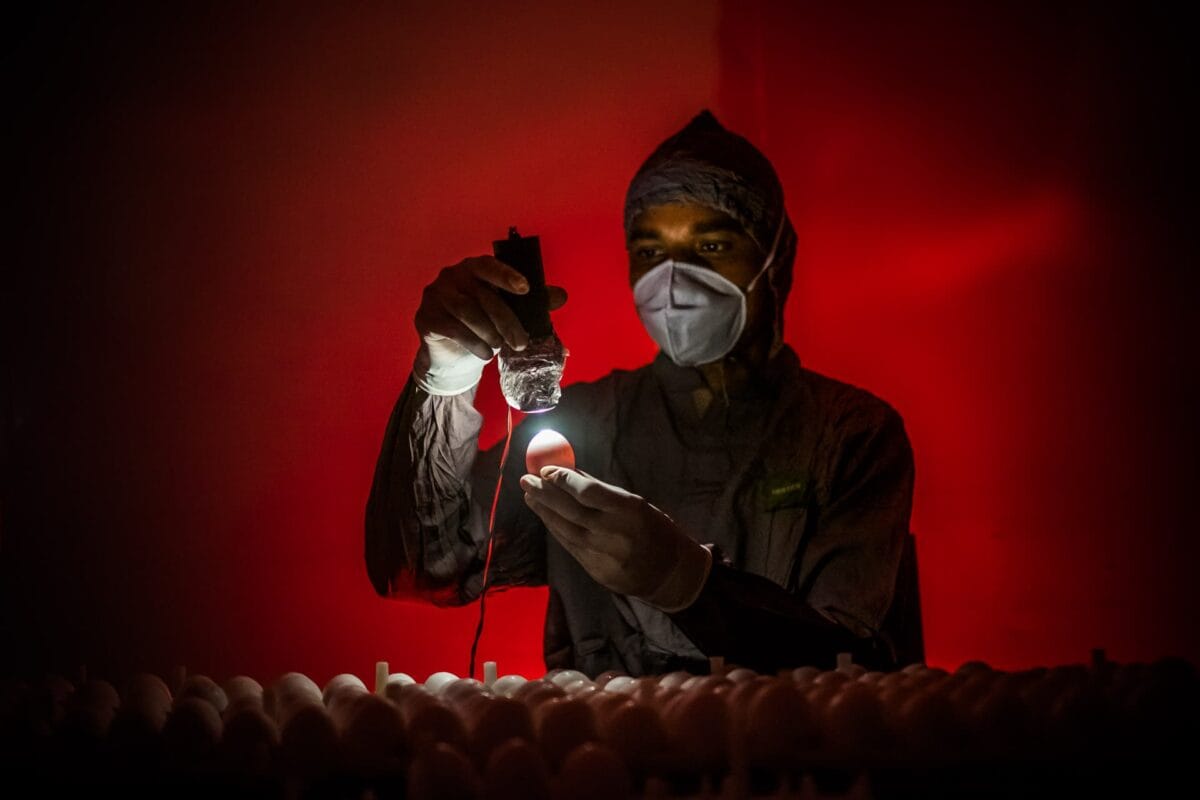
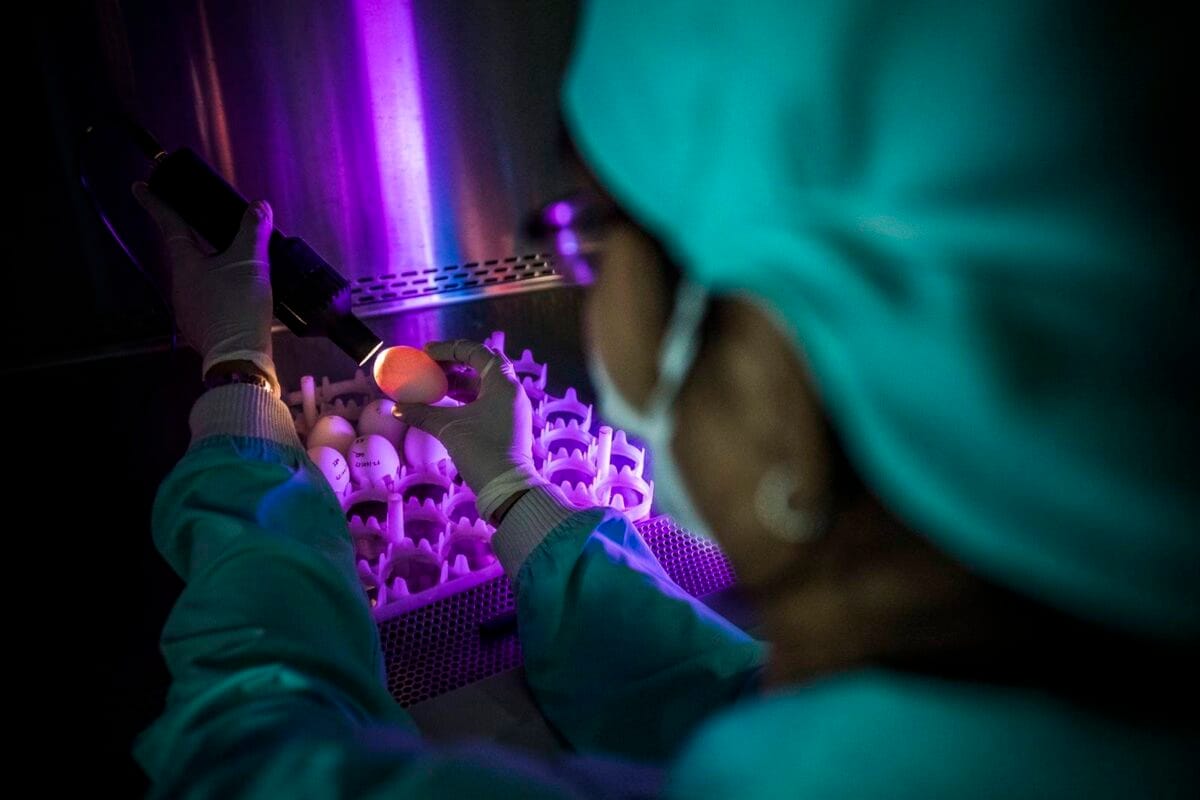
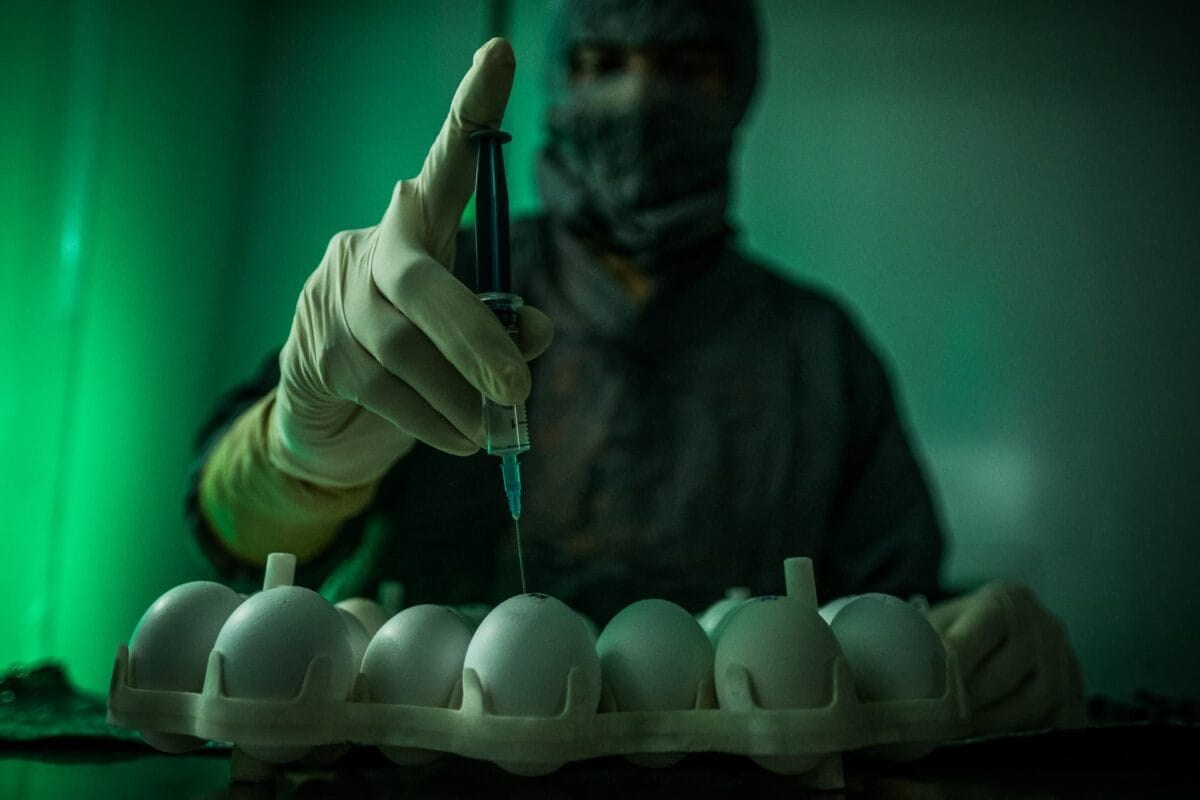
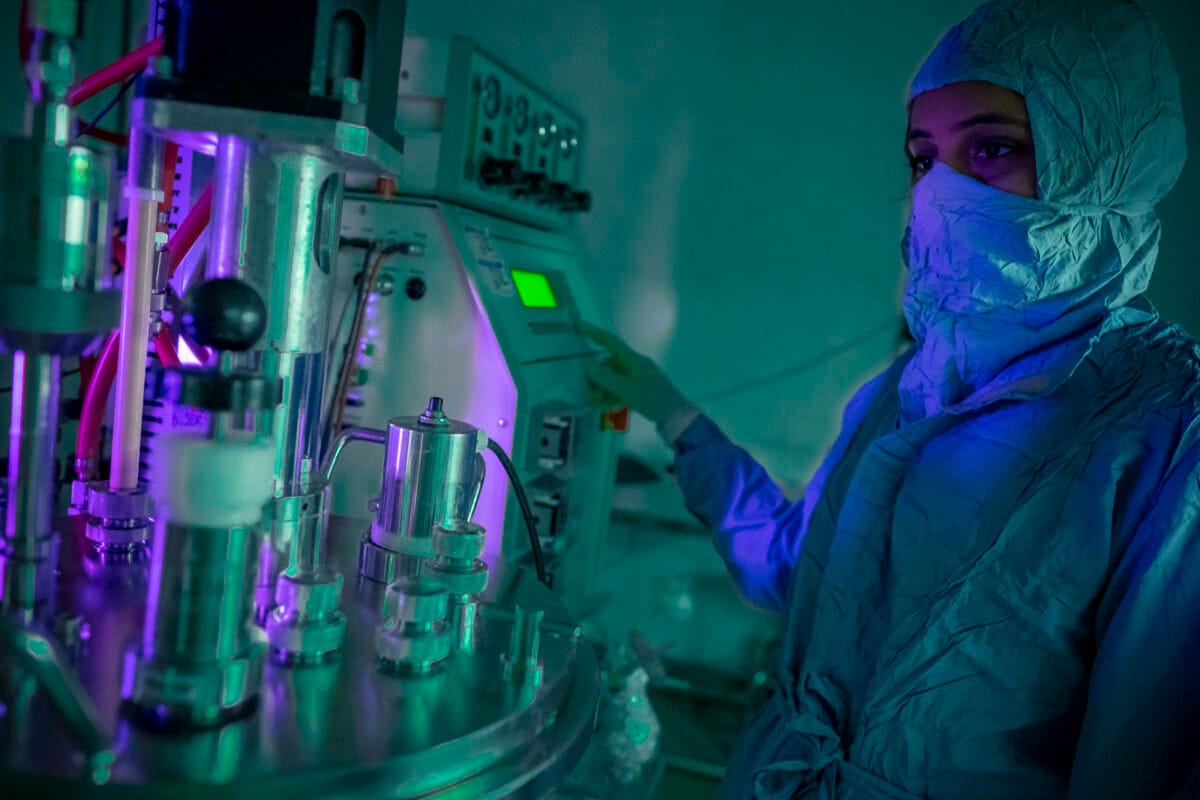
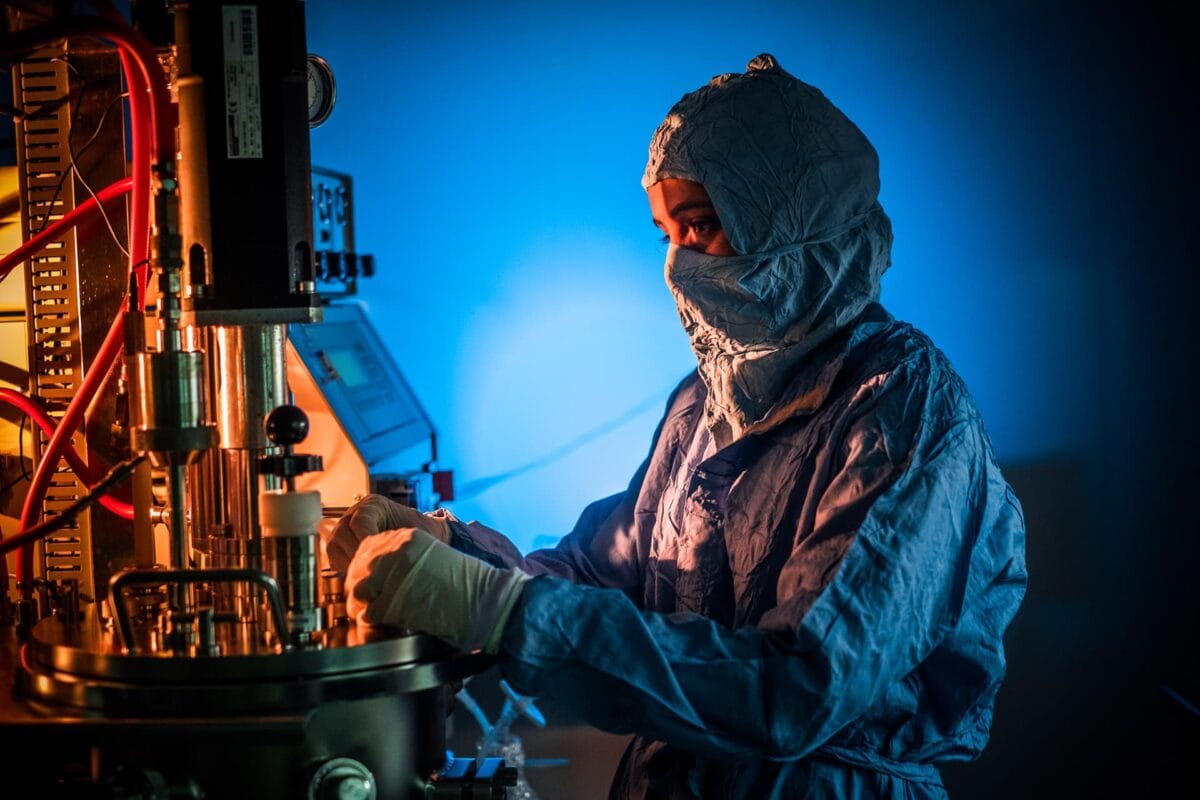
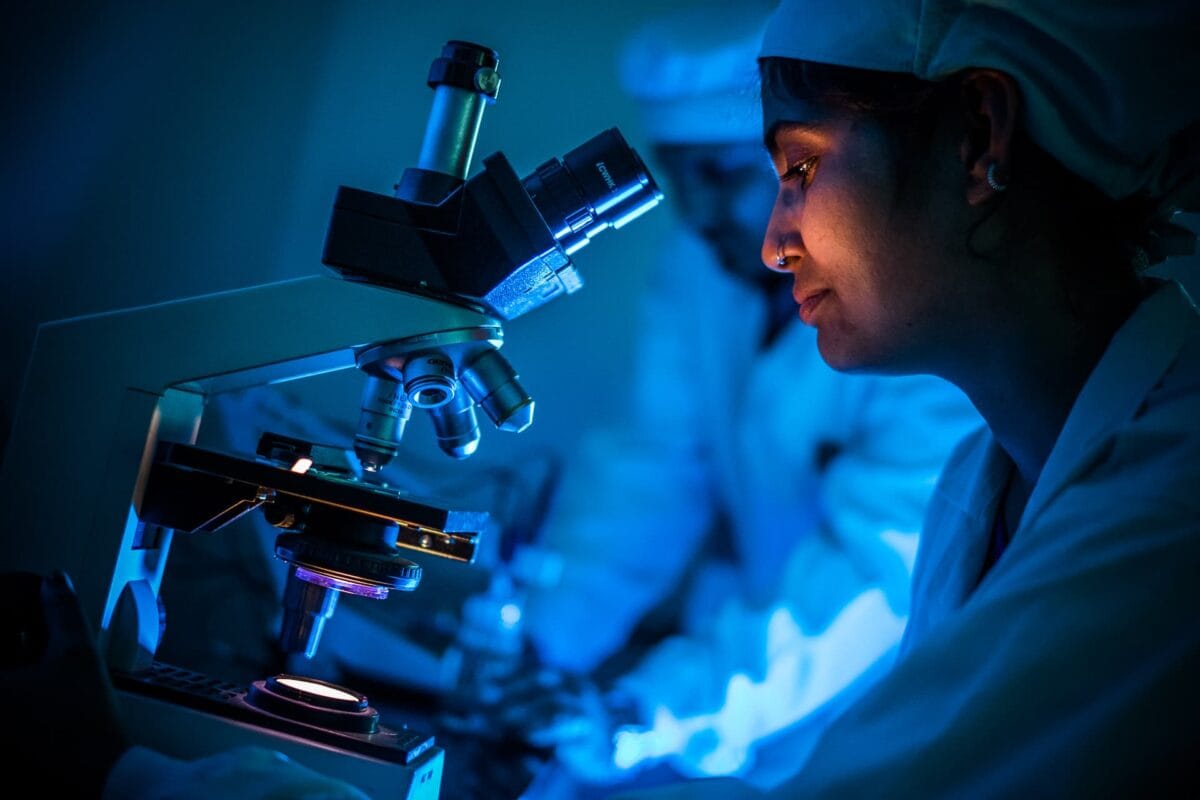
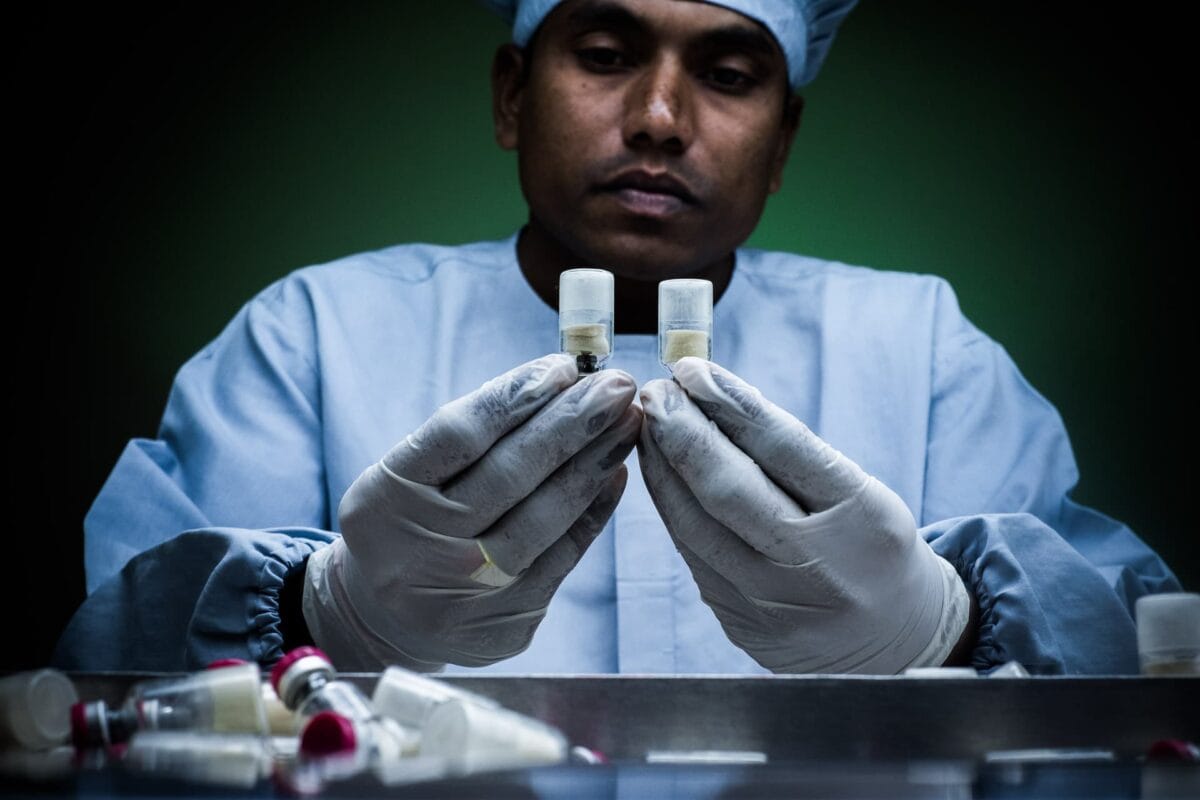
At Hester Biosciences, the focus is on precision, containment, and repeatability. The photographs document key stages of vaccine production, including fertile egg candling, inoculation for virus propagation, fermentation processes, quality control testing, and final inspection and labelling.
Rather than presenting the laboratory as a neutral or purely technical space, the images emphasize human presence within tightly controlled systems—hands, decisions, and procedures that directly influence outcomes. The laboratory spaces are largely monochromatic by design. Colour was introduced through lighting choices to bring visual structure and readability to complex processes, while maintaining the integrity of the working environment.
These images establish the upstream foundation of the story: where vaccines are developed, tested, and prepared for distribution.
Vaccination and Livelihoods in Odisha
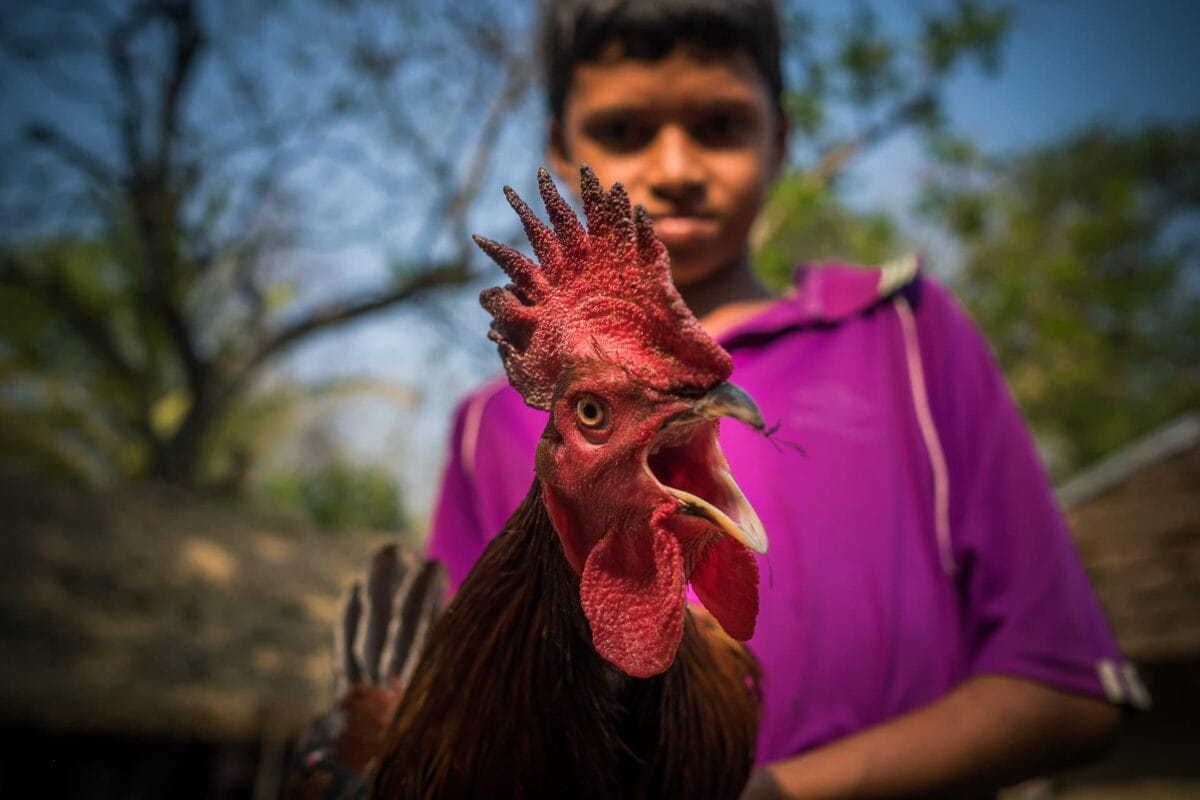
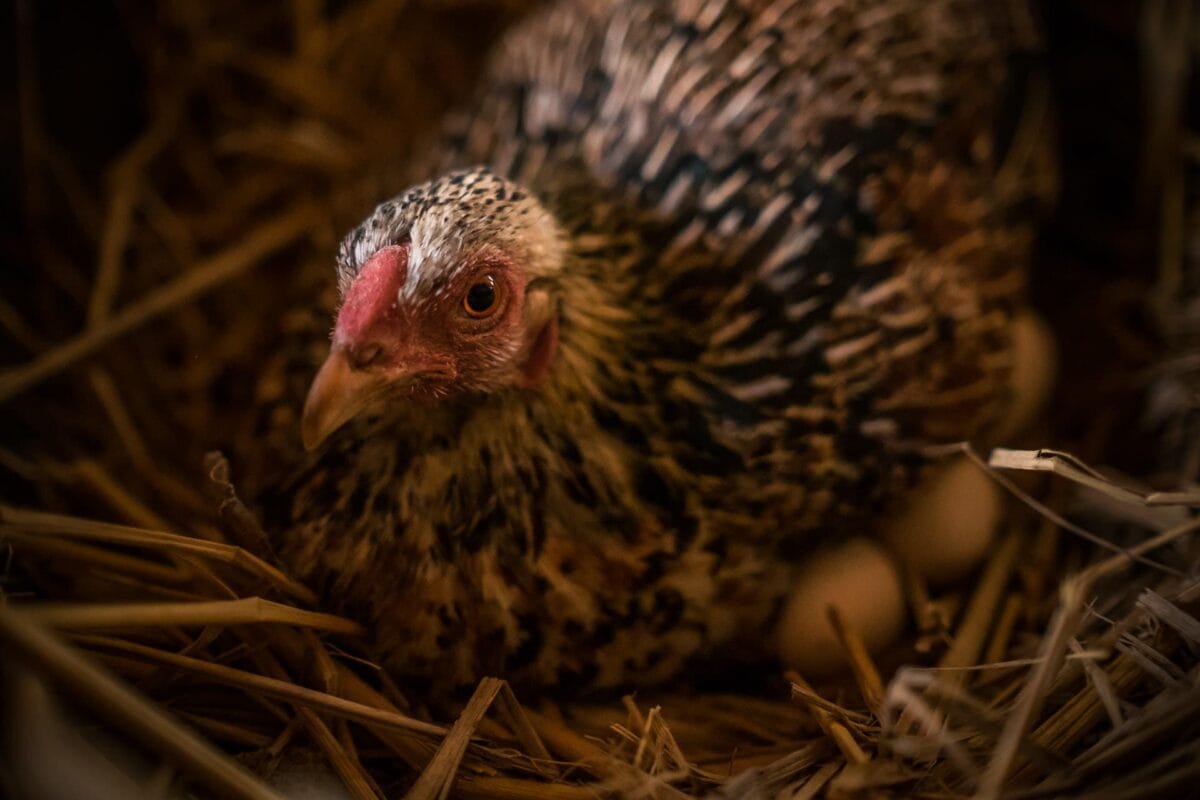
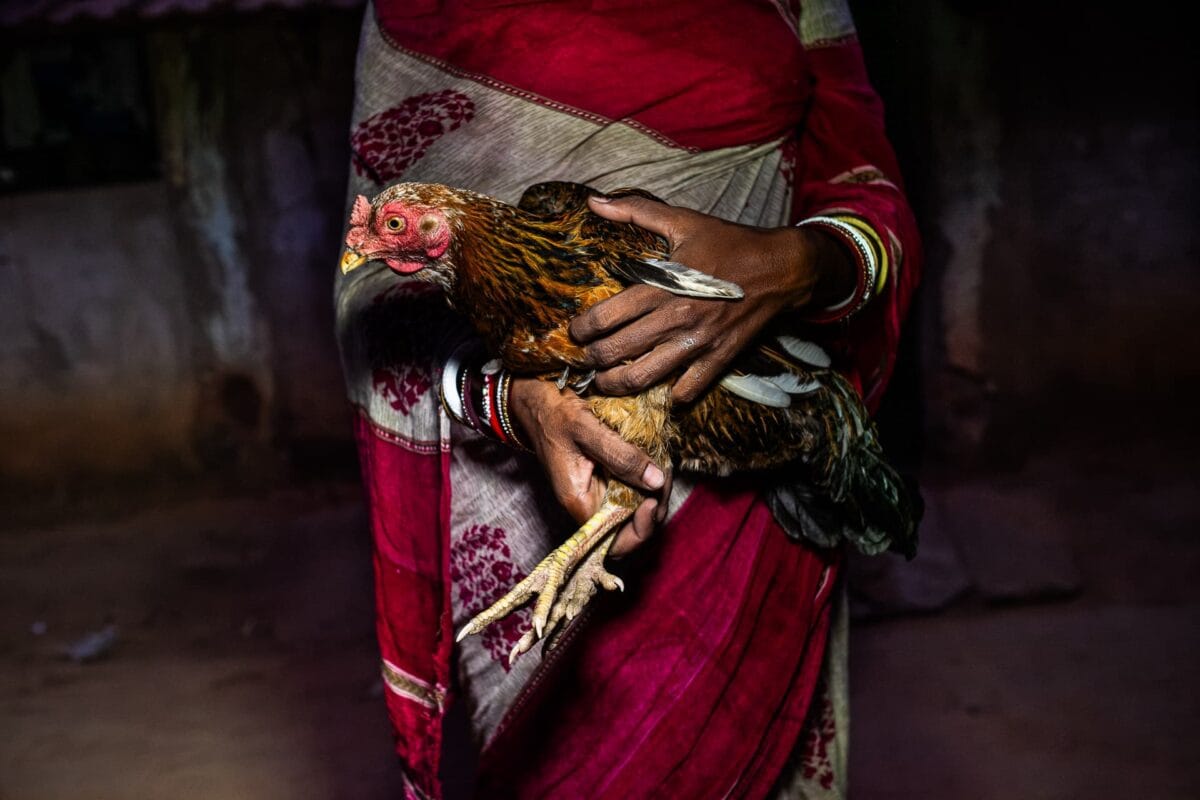
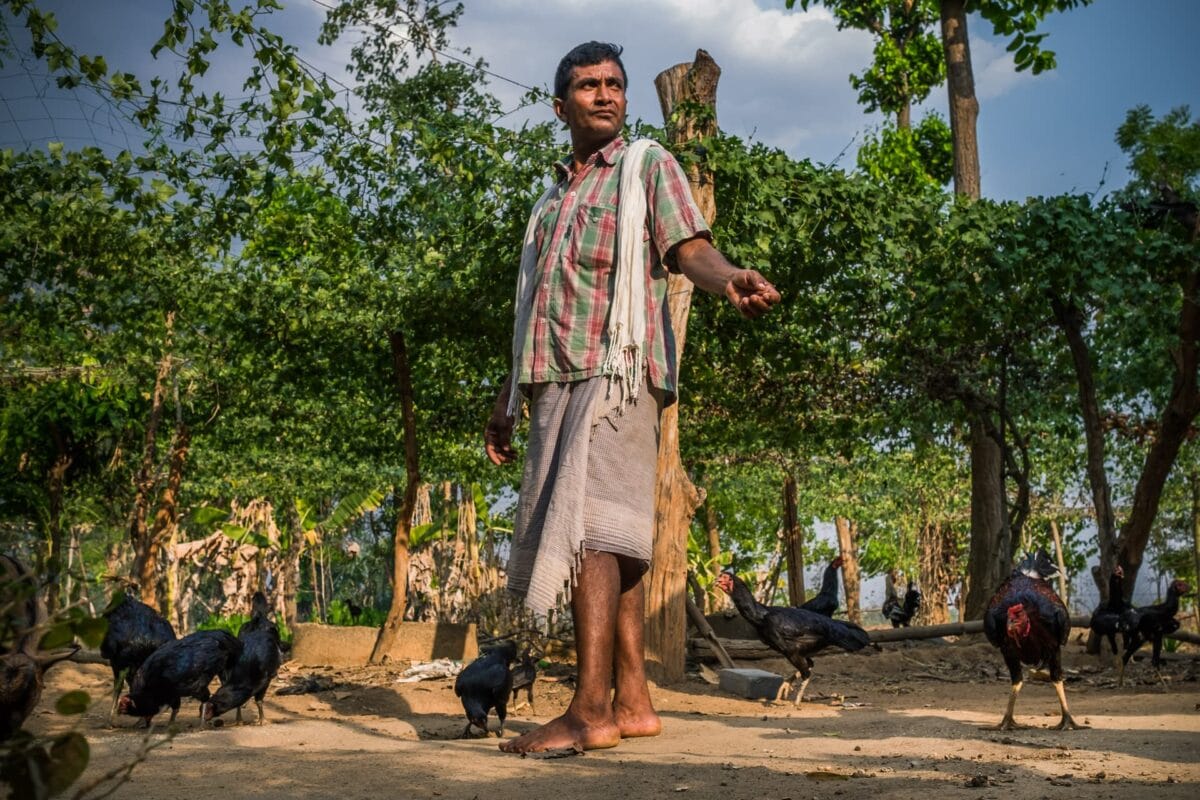
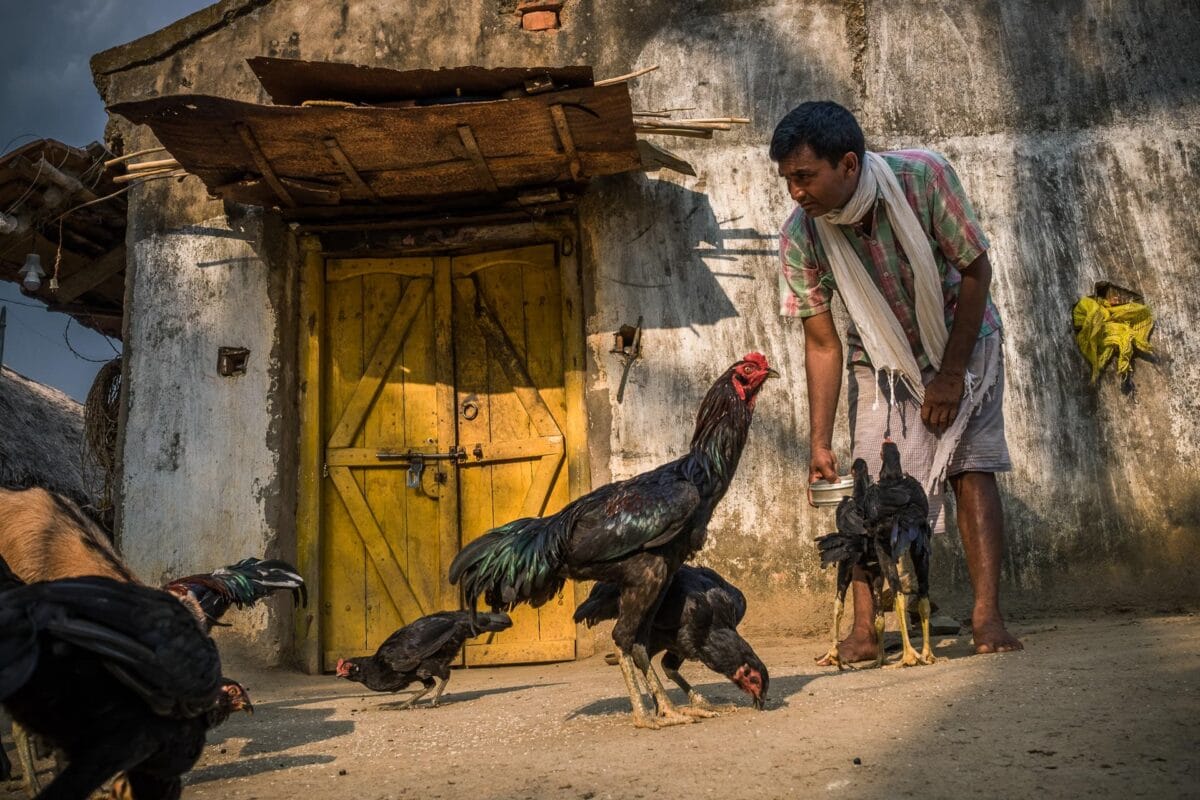
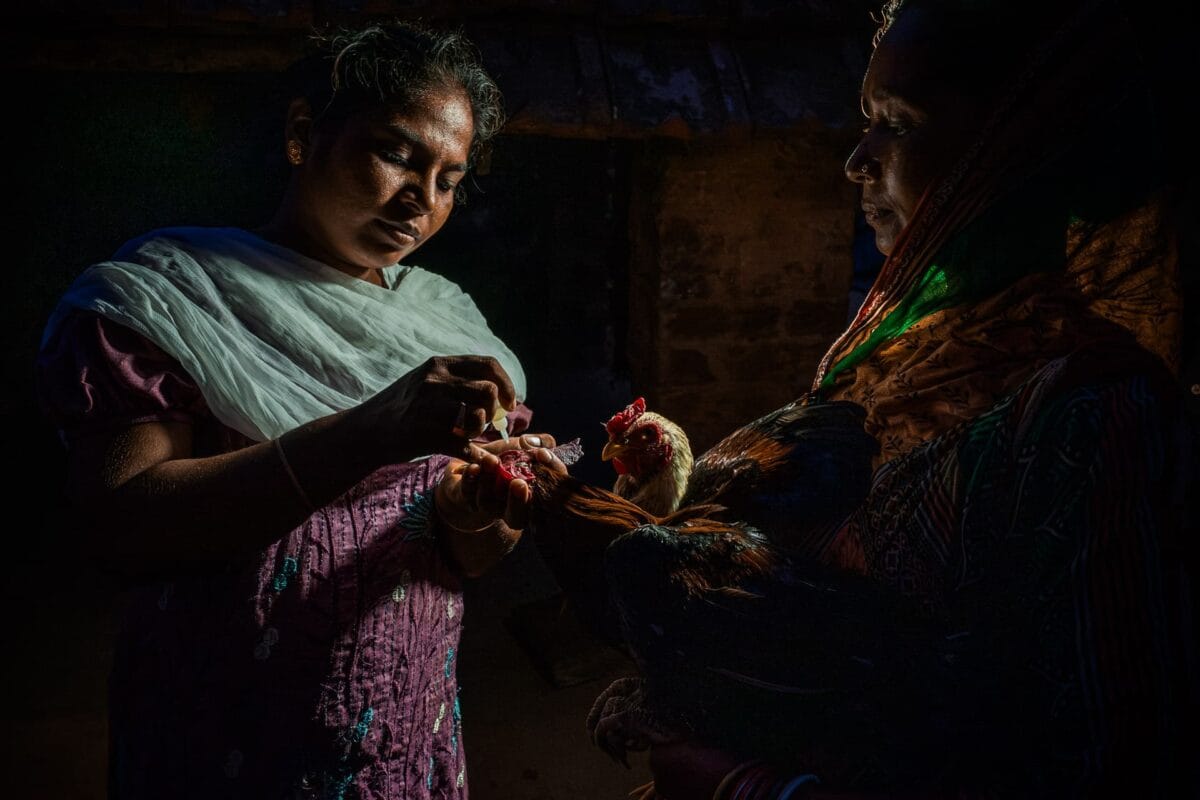
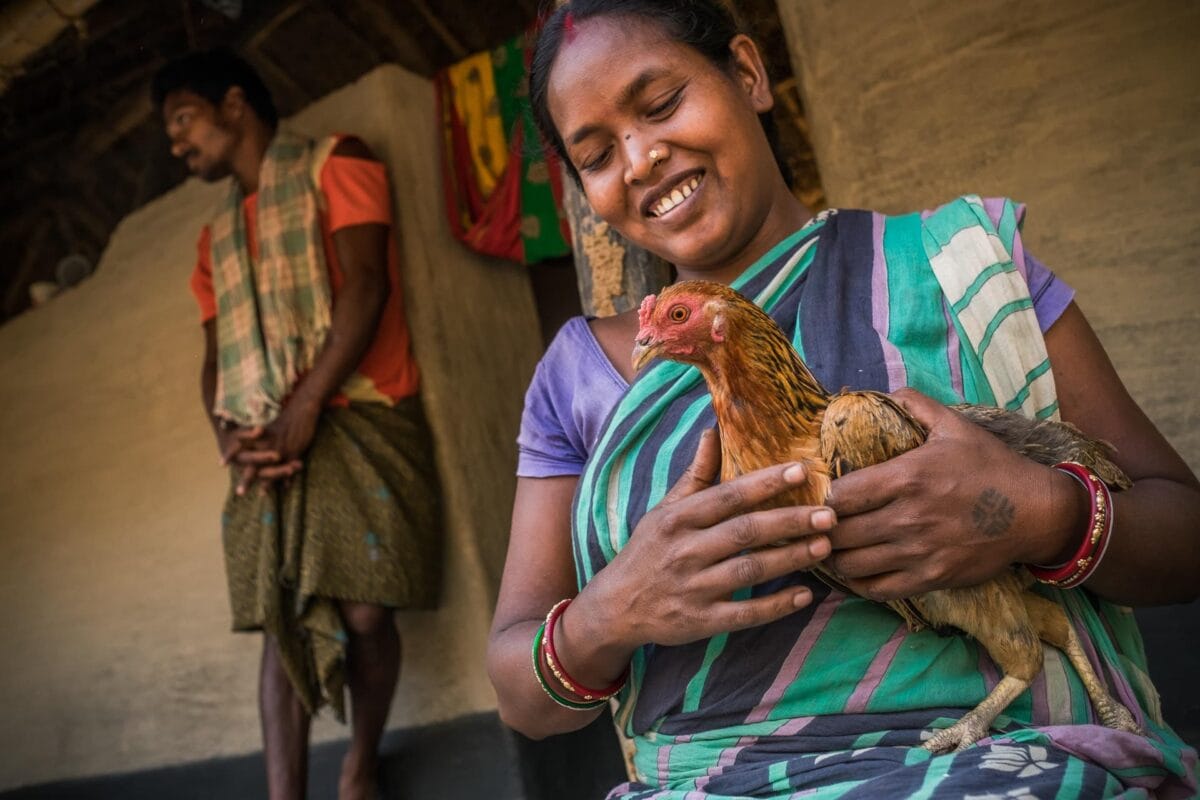
From Gujarat, the narrative moves to villages in Odisha, where poultry vaccination takes place at household level. Chickens are often kept inside homes and play a critical role in food security and income generation, particularly for women-led households.
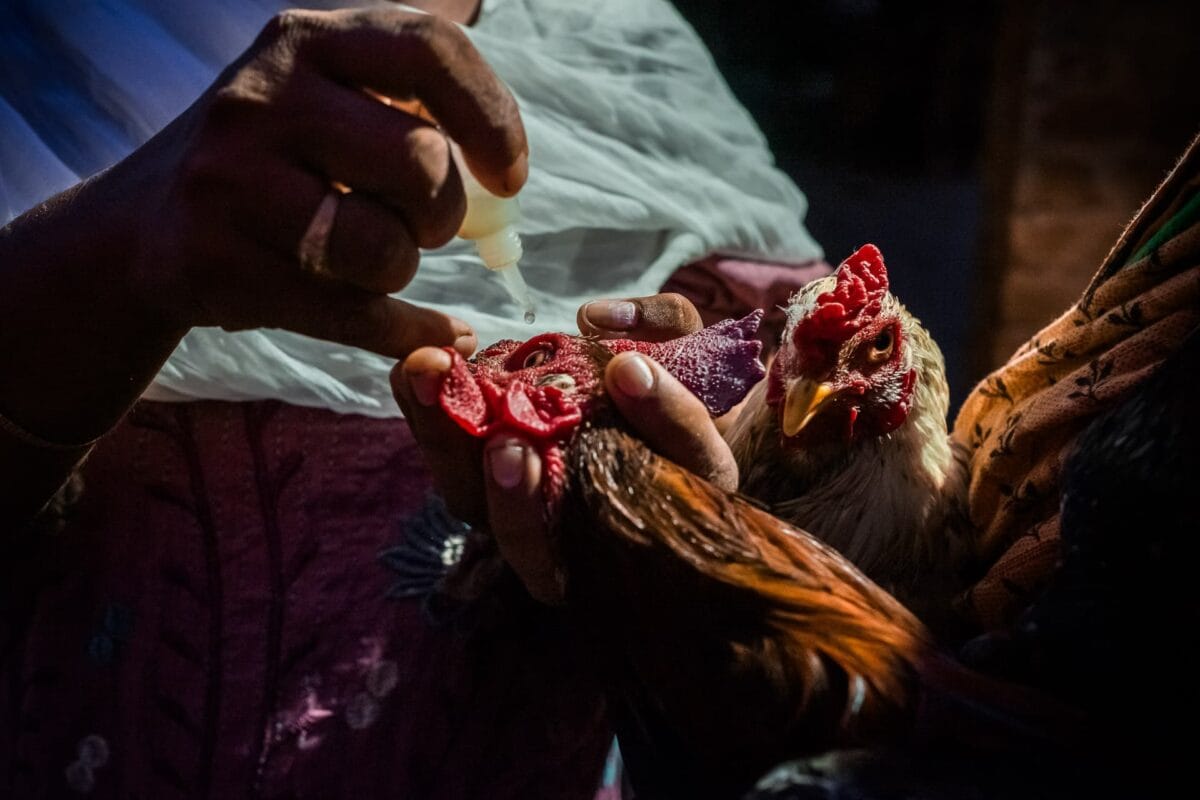
The village photographs show vaccination as a practical, everyday act—performed by trained local vaccinators, often in informal domestic settings. These images capture trust, proximity, and scale: the same vaccines produced in sterile lab environments being administered in conditions shaped by daily life rather than protocol.
By alternating laboratory images with village images, the work maintains a visual link between production and use, making the flow of the vaccine visible rather than abstract.
Scope and Use of the Work
This body of work was produced to document a complete system rather than isolated moments. It connects research, manufacturing, distribution, and application within a single visual language, without simplifying or separating these stages.
The photographs were created to function across multiple contexts—reports, presentations, funding proposals, and public communication—without being reinterpreted for each audience. Scientists, NGOs, manufacturers, and policymakers can engage with the same images and read different layers of meaning without the work losing coherence.
The project demonstrates how visual documentation can bridge technical complexity and lived experience, making processes visible from lab bench to village home.